
|
 |
 | | | | | | |||||||||||||||||||||||||||||||||||||||||||||||||||||||||||||||||||||||||||||||||||||||||||||||||||||||||||||||||||||||||||||||||||||||||||||||||||||||||||||||||||
| | | You are in: Middle East | |||||||||||||||||||||||||||||||||||||||||||||||||||||||||||||||||||||||||||||||||||||||||||||||||||||||||||||||||||||||||||||||||||||||||||||||||||||||||||||||||||||
|
| | Friday, 1 November, 2002, 22:41 GMT Egypt criticised for 'anti-Semitic' film 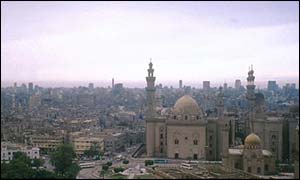 The programme is due to be broadcast during Ramadan Egypt has been heavily criticised by the United States, Israel and Jewish groups that a TV series it is planning to broadcast is anti-Semitic. The programme uses a forged document called The Protocols of the Elders of Zion - which describes a Jewish plot for world domination - as a central plot device.
Historians believe the Protocols of the Elders of Zion were fabricated by anti-Semites in Russia at the beginning of the 20th century. It was later used in Nazi Germany and other parts of Europe as a pretext for persecuting Jews. 'Incitement' The US State Department has complained to Egypt and has contacted other Middle East countries which are preparing to broadcast the programmes, to request them not to.
"It is a series... supposedly on other topics, but that incorporates or is based on these odious protocols, the Elders of Zion," he said. In a letter to Secretary of State Colin Powell, a US-based Jewish pressure group, the Anti-Defamation League, described the series the "latest manifestation of an ongoing pattern of anti-Semitic incitement in the Egyptian media". Ramadan broadcast The 30-episode series, Horseman without a Horse, tells the story of an Egyptian man fighting British imperialism and Zionism in Palestine in the 19th and early 20th centuries.
The main character in the series leads the struggle against the British until he finds a book written in Russian that turns out to be the Protocols of the Elders of Zion. This provides proof, for the character in the series, that his enemy is not the British, but the Elders of Zion. The series is scheduled to be broadcast during the Muslim holy month of Ramadan. 'Dramatic effect' The makers of the series have defended the programme. Mohammed Baghdadi, a screen writer, told the French news agency AFP: "We have used the book of the Elders of Zion at a dramatic level." The actor in the main role, Mohamed Sobhi, told AFP: "We don't have any problems with the Jews, but we are against the racism of the Zionists." "We have not tried to determine if the book is authentic or fabricated," Sobhi said. "Israel's practices in Palestine are more dangerous than this book." | | Internet links:  The BBC is not responsible for the content of external internet sites Top Middle East stories now: Links to more Middle East stories are at the foot of the page. | |||||||||||||||||||||||||||||||||||||||||||||||||||||||||||||||||||||||||||||||||||||||||||||||||||||||||||||||||||||||||||||||||||||||||||||||||||||||||||||||||||
| |
|  E-mail this story to a friend E-mail this story to a friend |
| |
| Links to more Middle East stories |
| | | ||
 | ||||
 | | Back to top
| ||
| ---------------------------------------------------------------------------------- To BBC Sport>> | To BBC Weather>> | To BBC World Service>> ---------------------------------------------------------------------------------- © MMIII | News Sources | Privacy |






