|
 |
 | | | | | | |||||||||||||||||||||||||||||||||||||||||||||||||||||||||||||||||||||||||||||||||||||||||||||||||||||||||||||||||||||||||||||||||||||||||||||||||||||||||||||||||||||||||||||||||||||||||||||
| | | You are in: Middle East | |||||||||||||||||||||||||||||||||||||||||||||||||||||||||||||||||||||||||||||||||||||||||||||||||||||||||||||||||||||||||||||||||||||||||||||||||||||||||||||||||||||||||||||||||||||||||||||||
|
| | Thursday, 31 October, 2002, 17:56 GMT Hopes and fears after government collapse 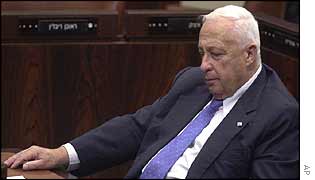 Some think Sharon's government will be better off
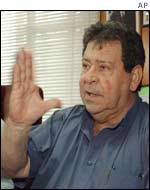
Wednesday night's collapse of Israel's unity government after the withdrawal of the Labor Party led by former Defence Minister Binyamin Ben-Eliezer, is drawing different reactions on the streets of Israel.
Across the board, however, there is agreement that the Labor Party and the Israeli left are in real trouble. "It was totally irresponsible for Labor to leave at this time," said Chana Bitton, 47, a Tel Aviv pharmacist. "I'm a left-wing voter and this has done great damage to our cause. If Ben-Eliezer had such a deep ideological rift with Prime Minister Sharon, he should've bolted ages ago or at least voted for the budget, and then resigned from the government," she added.
Labor ministers tendered their resignations last night, ending the coalition government's 19-month reign, citing differences over money from the proposed 2003 state budget, allocated for spending on Jewish settlements. The party's withdrawal ahead of a crucial vote and during a time when many believe the nation must be unified to fight ongoing Palestinian violence, may play into the hands of the nationalist camp. Selfish move "Ben-Eliezer's political suicide only confirms to me that Labor doesn't really care about the people," said Jon Fisher, 30, a Software Engineer living in Jerusalem.
"If the government's response to terror will be stronger, last night's break-up can only be good," says Yehezkal Goldfrab, 31, echoing the dominant right-wing sentiment. "I'm sure the next elections will bring a more nationalist leadership to the Knesset." That is exactly what worries Israelis who believe in a more diplomatic, less militaristic solution to the current fighting with the Palestinians. Calls for unity "Disastrous. Last night's results for whatever's left of the peace process are disastrous," according to Carrie Sinclair, a 23 year-old recent immigrant from London.
"Ben-Eliezer has alienated even more people from his party because now they'll think Labor puts partisan politics ahead of important national issues like the budget," she said. Yet, some are cautious about making sweeping predictions for what the future may hold. "Maybe we need unity, but in a different direction," said Aviner, 42, a Jerusalem cab driver, responding to suggestions that a new unity government will emerge following general elections. One of Aviner's passengers shouted agreement; "Yes, real unity, not the sham we've had recently." Finally, Chana, a middle-aged religious woman who works in a Jerusalem falafel shop, offered her own alternative: "I don't watch TV or listen to the radio. I just try to observe the Jewish commandments and pray for the Messiah to bail us all out of this mess." | |
See also:  31 Oct 02 | Media reports 30 Oct 02 | Middle East 30 Oct 02 | Middle East 28 Oct 02 | Middle East 22 May 02 | Middle East 04 Dec 01 | profiles Internet links: The BBC is not responsible for the content of external internet sites Top Middle East stories now: Links to more Middle East stories are at the foot of the page. | |||||||||||||||||||||||||||||||||||||||||||||||||||||||||||||||||||||||||||||||||||||||||||||||||||||||||||||||||||||||||||||||||||||||||||||||||||||||||||||||||||||||||||||||||||||||||||||
| |
|  E-mail this story to a friend E-mail this story to a friend |
| |
| Links to more Middle East stories |
| | | ||
 | ||||
 | | Back to top
| ||
| ---------------------------------------------------------------------------------- To BBC Sport>> | To BBC Weather>> | To BBC World Service>> ---------------------------------------------------------------------------------- © MMIII | News Sources | Privacy |