
|
 |
 | | | | | | |||||||||||||||||||||||||||||||||||||||||||||||||||||||||||||||||||||||||||||||||||||||||||||||||||||||||||||||||||||||||||||||||||||||||||||||||||||||||||||||||||||||
| | | You are in: Middle East | |||||||||||||||||||||||||||||||||||||||||||||||||||||||||||||||||||||||||||||||||||||||||||||||||||||||||||||||||||||||||||||||||||||||||||||||||||||||||||||||||||||||||
|
| | Sunday, 1 September, 2002, 23:35 GMT 00:35 UK Saudi concern over US terror arrests 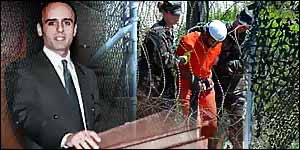 One Saudi detainee had a serious kidney condition Saudi Arabia was shocked and hurt after the US arrested hundreds of its citizens immediately after 11 September, says a top adviser to the Saudi crown prince. In an exclusive interview with the BBC, Adel al-Jubeir - a senior adviser to the Saudi leadership - described the arrests by US officials as "very upsetting." He told the BBC radio series With Us or Against Us: "Because of the shock America went through, America may have overreacted when it instinctively rounded up every Arab, even Arabs who were visiting the US, just because of their name or their nationality. Critically ill "We had several hundred Saudis who were arrested or detained, including a person who was on dialysis and was waiting for a kidney transplant. "He was in a critical condition because he could not go through dialysis. "So we were very concerned about the welfare of our citizens, and we were very upset...it was very upsetting to us." Mr al-Jubeir also claimed the majority of those rounded up by the US authorities on suspicion of having links to terrorists were in America for either health or education reasons. "Most of these individuals were either students who had names that sounded like the names of the hijackers or they were in the US for medical treatment and had overstayed their visas, or forgotten to renew their visas, because their treatment had taken longer than expected," he told the programme. Mr al-Jubeir said that these issues were worked out with the US authorities and that they managed to secure the release of many of their citizens. War on terror undermined? "In most cases they didn't speak English, but we worked it through the legal system and were able to bring about the release of almost all of them. "I think we have less than a handful of people still detained on charges, and I don't believe that any one of them has any charges linked to terrorism." Mr al-Jubeir also told the programme he believe the arrests worked against the message that the war against terror was not a war against Islam - a message the US administration was desperate to make clear. "For the people of Saudi Arabia this issue was the most emotional issue. "President George W Bush visited the Washington mosque early on, he met with Muslim leaders and Arab-Americans and he constantly repeated the message that this was a war on terrorism, not a war against Islam or Arabs and I think that had a very positive impact. "But then you had the arrests of our citizens and that toned down that message to some extent. "But I believe, for the most part, this situation is behind us today," he said.
The programme will also be broadcast on the BBC World Service under the title The Diplomatic Jigsaw at 1030 BST (0930 GMT) on Friday 13 September 2002. | |  
Top Middle East stories now: Links to more Middle East stories are at the foot of the page. | |||||||||||||||||||||||||||||||||||||||||||||||||||||||||||||||||||||||||||||||||||||||||||||||||||||||||||||||||||||||||||||||||||||||||||||||||||||||||||||||||||||||
| |
|  E-mail this story to a friend E-mail this story to a friend |
| |
| Links to more Middle East stories |
| | | ||
 | ||||
 | | Back to top
| ||
| ---------------------------------------------------------------------------------- To BBC Sport>> | To BBC Weather>> | To BBC World Service>> ---------------------------------------------------------------------------------- © MMIII | News Sources | Privacy |






