|
 |
 | | | | | | |||||||||||||||||||||||||||||||||||||||||||||||||||||||||||||||||||||||||||||||||||||||||||||||||||||||||||||||||||||||||||||||||||||||||||||||||||||||||||||||||||||||||||||||||||||||||||||||
| | | You are in: Middle East | |||||||||||||||||||||||||||||||||||||||||||||||||||||||||||||||||||||||||||||||||||||||||||||||||||||||||||||||||||||||||||||||||||||||||||||||||||||||||||||||||||||||||||||||||||||||||||||||||
|
| | Tuesday, 27 August, 2002, 10:17 GMT 11:17 UK Analysis: Making the case for attack 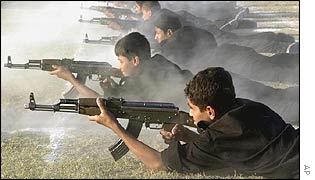 President Saddam has warned any attack would fail
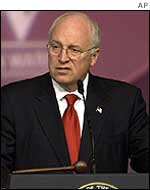
US Vice-President Dick Cheney has provided the most forceful rationale yet for an attack against Iraq.
His remarks come at a time when there is a growing debate in the US on the wisdom of any attack. White House legal advisors are reported to have told the administration that President George W Bush could go to war without necessarily seeking a mandate from Congress. But building a wider consensus may be vital if a military operation is to be launched. Making a case Just a few days ago it looked as though the Bush administration was backing away from its war plans against Iraq.
A stream of critical voices from the foreign policy establishment and Republican supporters on Capitol Hill - among them many advisers of President Bush's own father - appeared to have caught the Bush team off balance. But rather than backing away, it looks as though the president's supporters have simply been girding up for the struggle ahead. Many critics argue that the case has not yet been made for an attack. Mr Cheney's comments are the administration's first real effort to begin to make such a case. Building consensus However, presenting arguments is one thing, building up a real consensus behind a war plan is quite another.
President Bush's legal experts may be right in a narrow sense when they say that he does not need to get a congressional vote to back a war against Iraq. But whether this makes good political or diplomatic sense is quite another matter. A war with Iraq is a risky option which America's friends and allies will approach with some trepidation. If the Bush adminsitration is to build wider support for its cause it needs to first build consensus at home. A real congressional debate may be essential in building that consensus. Experts are already pointing to the build-up to the first Gulf War in 1991 when President Bush senior - while insisting such a resolution was not necessary - did indeed seek and obtain congressional support for the war to oust Iraqi troops from Kuwait. And - in a further sign that the administration is serious about its plans to remove Saddam Hussein - some 14,000 US military reservists are being notified that their call-up period could be extended for up to two years. This is the first such extension since the Vietnam War era. | |
See also:  27 Aug 02 | Middle East 26 Aug 02 | Middle East 16 Aug 02 | Middle East 15 Jan 01 | Middle East 24 Aug 02 | Middle East 22 Aug 02 | Americas 07 Aug 02 | Middle East Internet links: The BBC is not responsible for the content of external internet sites Top Middle East stories now: Links to more Middle East stories are at the foot of the page. | |||||||||||||||||||||||||||||||||||||||||||||||||||||||||||||||||||||||||||||||||||||||||||||||||||||||||||||||||||||||||||||||||||||||||||||||||||||||||||||||||||||||||||||||||||||||||||||||
| |
|  E-mail this story to a friend E-mail this story to a friend |
| |
| Links to more Middle East stories |
| | | ||
 | ||||
 | | Back to top
| ||
| ---------------------------------------------------------------------------------- To BBC Sport>> | To BBC Weather>> | To BBC World Service>> ---------------------------------------------------------------------------------- © MMIII | News Sources | Privacy |