|
 |
 | | | | | | |||||||||||||||||||||||||||||||||||||||||||||||||||||||||||||||||||||||||||||||||||||||||||||||||||||||||||||||||||||||||||||||||||||||||||||||||||||||||||||||||||||||||||||||||
| | | You are in: Middle East | |||||||||||||||||||||||||||||||||||||||||||||||||||||||||||||||||||||||||||||||||||||||||||||||||||||||||||||||||||||||||||||||||||||||||||||||||||||||||||||||||||||||||||||||||||
|
| | Tuesday, 20 August, 2002, 21:01 GMT 22:01 UK Iraq confirms Abu Nidal's death 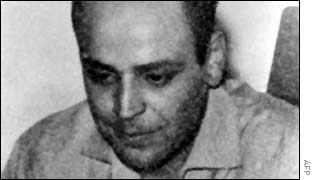 Many of Abu Nidal's targets were moderate Palestinians Palestinian guerrilla leader Abu Nidal has committed suicide at his home in Baghdad, Iraq's Deputy Prime Minister Tariq Aziz has said.
"Tomorrow [Wednesday] there will be a meeting by a high-ranking Iraqi official with you and he will give all the details of this incident," Mr Aziz told journalists at a news conference. However, a senior Iraqi official told the BBC on condition of anonymity that Abu Nidal's death came after the authorities confronted him with evidence of his involvement in an act of treason against Iraq. The White House welcomed his death, describing him as "one of the most craven and despicable terrorists in the world". "The fact that only Iraq would give safe haven to Abu Nidal demonstrates the Iraqi regime's complicity with global terror," White House spokesman Ari Fleischer said. "He will not be missed." House arrest Abu Nidal was head of a hard-line splinter group, the Fatah-Revolutionary Council, which was blamed for carrying out a string of attacks in Europe and the Middle East in the 1970s and 1980s - killing and wounding hundreds of people. Abu Nidal was widely believed to have been living in Baghdad since some time in 1999, although the Iraqi Government never acknowledged this.
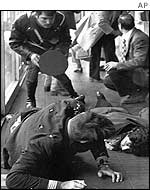
Abu Nidal is said to have established contacts with what the Iraqis described as Kuwaitis plotting against Iraq, the official said. Reports of his death first emerged in al-Ayyam newspaper published in the West Bank, which said the militant leader - whose real name is Sabri al-Banna - died on Friday. Al-Banna is held responsible for the attacks on Rome and Vienna airports in December 1985 when 18 people were killed. He is also linked to several attacks in France in the 1980s, including a bomb attack on a Paris synagogue and a machine-gun assault at a Jewish restaurant, in which several people were killed. Fatah-RC was generally thought of as the world's most feared terrorist organisation before the rise of al-Qaeda. Refugee camps Fatah-RC was backed by Libya and Iraq, although Tripoli withdrew support in 1998, prompting al-Banna's move to Baghdad. It is also believed to maintain a presence in some Palestinian refugee camps in Lebanon. Fatah-RC broke away from Yasser Arafat's Palestine Liberation Organisation in 1974 and, despite being a sworn enemy of Israel, many of its targets were Arabs, including more moderate Palestinian figures. A suspected attempt by Abu Nidal gunmen on the life of Israel's ambassador to Britain in 1982 triggered Israel's massive invasion of Lebanon that year. That in turn brought about the decade-long banishment of Mr Arafat's forces from Israel's borders. | |
See also:  03 Dec 01 | Middle East 19 Aug 02 | Middle East Top Middle East stories now: Links to more Middle East stories are at the foot of the page. | |||||||||||||||||||||||||||||||||||||||||||||||||||||||||||||||||||||||||||||||||||||||||||||||||||||||||||||||||||||||||||||||||||||||||||||||||||||||||||||||||||||||||||||||||
| |
|  E-mail this story to a friend E-mail this story to a friend |
| |
| Links to more Middle East stories |
| | | ||
 | ||||
 | | Back to top
| ||
| ---------------------------------------------------------------------------------- To BBC Sport>> | To BBC Weather>> | To BBC World Service>> ---------------------------------------------------------------------------------- © MMIII | News Sources | Privacy |