|
 |
 | | | | | | ||||||||||||||||||||||||||||||||||||||||||||||||||||||||||||||||||||||||||||||||||||||||||||||||||||||||||||||||||||||||||||||||||||||||||||||||||||||||||||||||||||||||||||||||||||||||
| | | You are in: Middle East | ||||||||||||||||||||||||||||||||||||||||||||||||||||||||||||||||||||||||||||||||||||||||||||||||||||||||||||||||||||||||||||||||||||||||||||||||||||||||||||||||||||||||||||||||||||||||||
|
| | Monday, 19 August, 2002, 20:12 GMT 21:12 UK Scepticism shrouds Middle East deal 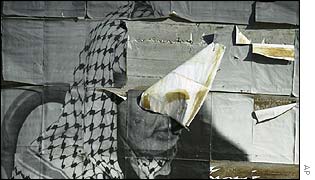 Arafat is not in a strong position to bargain
He did not call it a breakthrough. Even among officials, scepticism over the deal runs deep - on both sides. All the main Palestinian factions except Yasser Arafat's Fatah faction have already denounced the partial deal as a sell-out that will only prolong the Israeli occupation of the West Bank and Gaza. The militant groups, Hamas, and Islamic Jihad have both said they won't call off their "resistance". So what led to the security deal, after several months in which Israelis and Palestinians were unable to agree on anything? Under pressure One key factor is American pressure.
That may well explain why the Israeli leader, Ariel Sharon, went along with the plan initiated by his defence minister, Binyamin Ben Eliezer, the chairman of the Labour party. Mr Ben Eliezer has his own reasons for wanting a deal, as he heads towards elections for the leadership of the Labour party in November. His ratings have slid dramatically over the past few months, with many Labour members questioning the role their party is playing in the Mr Sharon's coalition government. As for the Palestinians, their bargaining position is weak, with their leader Yasser Arafat now fighting for his political survival as the Americans press for a change of Palestinian leadership. "The Palestinian leadership can't afford to be held responsible for jeopardising any initiative, no matter how little it offers the Palestinians," says Ziad Abu Amr, a Gaza-based member of the Palestinian Legislative Council. "The risk is that they'll be blamed when it fails." Little faith The Palestinian Authority has no illusions about the difficulties it will face in implementing a piecemeal deal that so many Palestinian factions oppose. "The problematic aspect of this agreement is that it is partial," says Ghassan Khattib, the Palestinian minister of Labour. "The future and the possibilities of success with this agreement depend on whether Israel is going to continue pulling out from the rest of the Palestinian territories and put an end to the closure and the assassination policy." Any more Israeli killings of Palestinian militants or Palestinian suicide bombings could easily blow the latest agreement off course. Few people on either side seem to believe an end to the bloodshed is really in sight. | |
See also:  19 Aug 02 | Middle East 02 Jul 02 | Middle East 16 Aug 02 | Middle East 08 Aug 02 | Middle East 08 Aug 02 | Middle East 08 Aug 02 | Middle East 06 Aug 02 | Middle East 05 Aug 02 | Middle East Internet links: The BBC is not responsible for the content of external internet sites Top Middle East stories now: Links to more Middle East stories are at the foot of the page. | ||||||||||||||||||||||||||||||||||||||||||||||||||||||||||||||||||||||||||||||||||||||||||||||||||||||||||||||||||||||||||||||||||||||||||||||||||||||||||||||||||||||||||||||||||||||||
| |
|  E-mail this story to a friend E-mail this story to a friend |
| |
| Links to more Middle East stories |
| | | ||
 | ||||
 | | Back to top
| ||
| ---------------------------------------------------------------------------------- To BBC Sport>> | To BBC Weather>> | To BBC World Service>> ---------------------------------------------------------------------------------- © MMIII | News Sources | Privacy |