|
 |
 | | | | | | ||||||||||||||||||||||||||||||||||||||||||||||||||||||||||||||||||||||||||||||||||||||||||||||||||||||||||||||||||||||||||||||||||||||||||||||||||||||||||||||||||||||||||||||||||||||||||||||||||||||||||||||||||||||||||||||||||||
| | | You are in: Middle East | ||||||||||||||||||||||||||||||||||||||||||||||||||||||||||||||||||||||||||||||||||||||||||||||||||||||||||||||||||||||||||||||||||||||||||||||||||||||||||||||||||||||||||||||||||||||||||||||||||||||||||||||||||||||||||||||||||||||
|
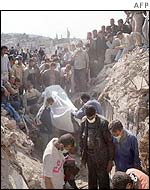
| | Thursday, 1 August, 2002, 18:19 GMT 19:19 UK Jenin report reflects UN dilemma 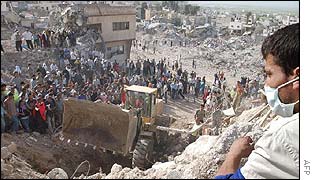 The report confirmed facts but did not pass judgement
The United Nations report into the events surrounding the Israeli army's incursion into the Palestinian refugee camp at Jenin has shed little new light on the incident, and offered no conclusions about what happened. UN officials believe, that in this respect, it was a success.
They say it was never meant to pass judgement on what happened in the Palestinian refugee camp, nor was it meant to apportion blame. "It would have been very nice if we had been able to write what you might call a classic report with judgements at the end, " said one senior UN official, who briefed journalists on condition of anonymity. "But there were a number of reasons why we could not do that." Troubled beginnings Those reasons are well known. Shortly after reports began emerging in early April of a massacre at the Jenin camp, the issue was taken up by the UN Security Council.
This invitation was subsequently withdrawn, but the UN General Assembly called on Mr Annan to make a report into the incident without the co-operation of the Israelis. Access denied Unfortunately, the UN had to proceed with its hands tied. It could not send a team to gather facts on the ground. It simply had to rely on information in the public domain, and information conveyed to it by interested parties like the European Union, and the Palestinian Authority. The Israeli Government refused to co-operate, and did not provide any written submission for the report. As such, what the report has found reveals little more than what has already been documented by journalists who covered the Israeli army occupation of Jenin. It also adds little to what human rights groups have already detailed after carrying out their own investigations and interviews at the site in Jenin. Treading carefully On the central issue of whether a massacre took place, the UN report is clear. It says it was unable to substantiate Palestinian claims that around 500 people died during the Israeli army operation, and it puts the number of Palestinian deaths at 52.
"This is not actually true. We don't say there was a massacre, and we don't say there wasn't a massacre. We deliberately avoid using words like massacre which have a high emotional charge, but no agreed definition. "And in any case, we've not been in a position to make judgements. That's why the report sticks to factual issues such as the number of deaths." Criticism of both the Palestinian and the Israeli sides is fairly balanced. But in many cases the report cautiously cites these abuses in terms of allegations, or reports compiled from other sources such as the literature of human rights groups. Openly limited Perhaps the most revelatory part of the 16-page report is where Mr Annan, in his observations, candidly admits to its limitations. "A full and comprehensive report on recent events in Jenin, as well as in other Palestinian cities, could not be made without the full co-operation of both parties, and a visit to the area," Mr Annan writes. "I would therefore not wish to go beyond the very limited findings of fact which are set out in the body of the text." The question being asked in the light of this honest admission of the frailties of the new report, is what, then, was the point? The official line from UN officials is that they hope people will draw lessons from the UN's account of what happened in Jenin, and make sure it never happens again. There are many in the Middle East who may well see that as a small consolation for the death and misery that took place in the West Bank during those three weeks in late March, and April. | |
See also:  01 Aug 02 | Middle East 01 Aug 02 | Middle East 01 Aug 02 | Middle East 08 May 02 | Middle East 04 May 02 | Middle East 03 May 02 | Middle East 03 May 02 | Middle East 02 May 02 | Middle East 29 Apr 02 | Middle East Internet links: The BBC is not responsible for the content of external internet sites Top Middle East stories now: Links to more Middle East stories are at the foot of the page. | ||||||||||||||||||||||||||||||||||||||||||||||||||||||||||||||||||||||||||||||||||||||||||||||||||||||||||||||||||||||||||||||||||||||||||||||||||||||||||||||||||||||||||||||||||||||||||||||||||||||||||||||||||||||||||||||||||||
| |
|  E-mail this story to a friend E-mail this story to a friend |
| |
| Links to more Middle East stories |
| | | ||
 | ||||
 | | Back to top
| ||
| ---------------------------------------------------------------------------------- To BBC Sport>> | To BBC Weather>> | To BBC World Service>> ---------------------------------------------------------------------------------- © MMIII | News Sources | Privacy |