|
 |
 | | | | | | ||||||||||||||||||||||||||||||||||||||||||||||||||||||||||||||||||||||||||||||||||||||||||||||||||||||||||||||||||||||||||||||||||||||||||||||||||||||||||||||||||||||||||||||||||||||||||
| | | You are in: Middle East | ||||||||||||||||||||||||||||||||||||||||||||||||||||||||||||||||||||||||||||||||||||||||||||||||||||||||||||||||||||||||||||||||||||||||||||||||||||||||||||||||||||||||||||||||||||||||||||
|
| | Tuesday, 30 July, 2002, 22:03 GMT 23:03 UK Israeli cabinet backs budget cuts 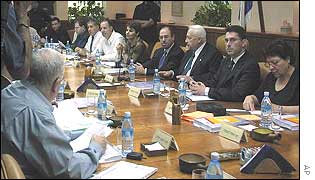 Social spending cuts were the focus of argument
The Israeli cabinet has narrowly approved the biggest cuts in public spending in the country's history. Ministers voted 14 to 12 after a marathon debate over deep cuts in welfare and defence spending.
The measures are meant to push the country out of a debilitating recession brought on by the Palestinian uprising and a global downturn. If approved by parliament, it would be Israel's biggest budget cut - around $1.8bn. The Finance Minister, Silvan Shalom, said the plan was very difficult but very necessary. "We are at war," he said. "The economy is turned on its head and we have to stabilise the situation." Nail in the coffin Most of the opposition was directed at cuts in social spending which hit the weakest members of society the hardest - the unemployed and poor, especially single-parent families. Critics said this was the nail in the coffin of Israel as a welfare state.
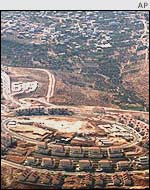
For example, there is no reduction in the considerable allocations for Jewish settlers living in the occupied territories, a key constituency for Ariel Sharon and his right-wing Likud Party. Ministers from the left-wing Labour and the ultra-orthodox Shas parties voted against the budget proposal. But that wasn't enough to stop it. The plan would also cut defence spending, but that would be offset by a $200m grant from the US Congress to help Israel deal with the conflict. Reeling economy Parliament has until the end of the year to pass the budget. Israel's economy is reeling from the effect of the Palestinian uprising, which has chased off investment and tourism. That has coincided with a global slowdown in the key hi-tech sector. The economic crisis has triggered rare criticism of Ariel Sharon's coalition government, but hasn't upset the unity brought on by the sense of national emergency. However, that consensus may change if the security situation improves, and it looks as if the economy would be the trigger for any significant political protest. | |
See also:  02 Jul 02 | Middle East 27 Dec 01 | Middle East 13 May 99 | Israel elections 23 Jul 02 | Middle East 27 May 02 | Middle East 21 Jun 02 | Business Internet links: The BBC is not responsible for the content of external internet sites Top Middle East stories now: Links to more Middle East stories are at the foot of the page. | ||||||||||||||||||||||||||||||||||||||||||||||||||||||||||||||||||||||||||||||||||||||||||||||||||||||||||||||||||||||||||||||||||||||||||||||||||||||||||||||||||||||||||||||||||||||||||
| |
|  E-mail this story to a friend E-mail this story to a friend |
| |
| Links to more Middle East stories |
| | | ||
 | ||||
 | | Back to top
| ||
| ---------------------------------------------------------------------------------- To BBC Sport>> | To BBC Weather>> | To BBC World Service>> ---------------------------------------------------------------------------------- © MMIII | News Sources | Privacy |