|
 |
 | | | | | | |||||||||||||||||||||||||||||||||||||||||||||||||||||||||||||||||||||||||||||||||||||||||||||||||||||||||||||||||||||||||||||||||||||||||||||||||||||||||||||||||||||||||||||||||||
| | | You are in: Middle East | |||||||||||||||||||||||||||||||||||||||||||||||||||||||||||||||||||||||||||||||||||||||||||||||||||||||||||||||||||||||||||||||||||||||||||||||||||||||||||||||||||||||||||||||||||||
|
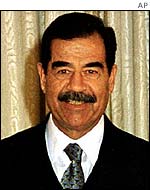
| | Friday, 12 July, 2002, 15:00 GMT 16:00 UK Ex-officers to discuss Iraq after Saddam 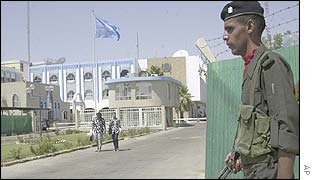 Recent UN talks with Baghdad went nowhere Around 70 former Iraqi military officers are meeting in London to discuss ways to topple Iraqi leader Saddam Hussein and run the country after he is gone. Organisers plan to discuss strategy at the three-day meeting which comes amid speculation that the United States plans an attack.
The meeting's organiser, former Major-General Saad Obeidi, has warned that any attempt to change the regime risks heavy bloodshed. "Given Iraq's 40-year history of repression, it is highly likely," he said. The organisers stress that the conference is being funded solely by their group, which they call the Iraqi Military Alliance. However, US and British diplomats are due to attend as observers. The meeting is being endorsed by the Iraqi National Congress, the main opposition umbrella group. One figure conspicuous by his absence from the conference is former General Nizar al-Khazraji, who led Iraqi forces during its war on Iran and now lives in Demark. The highest-profile former Iraqi military figure now living outside the country, Mr Kharzaji has expressed an interest in ruling his homeland, reportedly as part of a military council. Disagreements While most in the Iraqi opposition agree that it is time for Saddam to go, there is little consensus about what should come next. BBC Middle East analyst Roger Hardy says the meeting is part of the divided Iraqi opposition's efforts to establish some credibility. The opposition is comprised of a bewildering multiplicity of groups that agree on very little, due to Iraq's many ethnic, religious and ideological divisions as well as personal rivalries. Many in the opposition hold grudges against military defectors, some of whom they accuse of committing war crimes while working for the regime. In addition to not trusting each other, many Iraqis-in-exile also do not trust the West. There are still bitter memories of what happened a decade ago, at the end of the Gulf war. After encouraging the Kurds of the north and the Shia in the south to rise up against Saddam Hussein, President George Bush was seen by the opposition to do little stop Saddam's forces suppressing them. | |
Internet links:  The BBC is not responsible for the content of external internet sites Top Middle East stories now: Links to more Middle East stories are at the foot of the page. | |||||||||||||||||||||||||||||||||||||||||||||||||||||||||||||||||||||||||||||||||||||||||||||||||||||||||||||||||||||||||||||||||||||||||||||||||||||||||||||||||||||||||||||||||||
| |
|  E-mail this story to a friend E-mail this story to a friend |
| |
| Links to more Middle East stories |
| | | ||
 | ||||
 | | Back to top
| ||
| ---------------------------------------------------------------------------------- To BBC Sport>> | To BBC Weather>> | To BBC World Service>> ---------------------------------------------------------------------------------- © MMIII | News Sources | Privacy |