|
 |
 | | | | | | ||||||||||||||||||||||||||||||||||||||||||||||||||||||||||||||||||||||||||||||||||||||||||||||||||||||||||||||||||||||||||||||||||||||||||||||||||||||||||||||||
| | | You are in: Middle East | ||||||||||||||||||||||||||||||||||||||||||||||||||||||||||||||||||||||||||||||||||||||||||||||||||||||||||||||||||||||||||||||||||||||||||||||||||||||||||||||||||
|
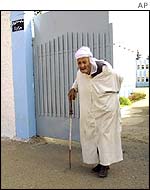
| | Saturday, 1 June, 2002, 21:12 GMT 22:12 UK Algerian PM to form government The voting rate slumped to 2% in the Berber capital President Bouteflika of Algeria has asked the outgoing prime minister, Ali Benflis, to form a new government after his party was declared the winner of Thursday's parliamentary election. Mr Benflis' party - the National Liberation Front, which has been in government ever since independence - won just over half of the 389 seats in the national assembly. The biggest party in the outgoing parliament, the National Democratic Rally, won only 48. Correspondents say that to many Algerians, the new government will be little more than a reshuffle within the ruling establishment. Political throwback The BBC's Peter Hiett, in Algiers, says that as the political dust settles, the picture that is emerging bears a strong resemblance to the Algeria of the 1980s.
The FLN - the party that won the independence war - is now in firm control of civil government and the armed forces. Our correspondent says the mainly Berber democratic opposition is as marginalised as ever, and there seems little improvement to the problems of poverty, corruption and unemployment. The overall turnout was recorded at 47.49% - the lowest since independence in 1962. In Tizi Ouzou, the capital of the Berber-speaking region of Kabylie, just 1.85% of voters bothered to vote. The FLN was the sole ruling party from 1962 until 1991 and has ruled in coalition since. The opposition parties had predicted election fraud and are expected to denounce the results. Analysts said many people had decided not to vote because they believed the election would change nothing. Police clashes Many polling stations failed to open in Tizi Ouzou as riot police clashed with youths.
The elections were for the first time being held under a system of proportional representation which, the Algerian Government said, was to prevent a repeat of electoral fraud which occurred in 1997. Critics of the regime said the election was just a show of pluralism to satisfy the West and give the appearance of democracy. The US condemned the election violence, but said it supported moves towards democracy by Algeria. But our correspondent says that parliament in Algeria is a powerless body with little influence over policy. Key issues are decided by a secretive group of senior army and intelligence officers whom Algerians call "les decideurs", or the decision-makers. | | See also:  01 Jun 02 | Middle East 31 May 02 | Middle East 31 May 02 | Middle East 28 May 02 | Media reports 29 May 02 | Middle East 18 Mar 02 | Country profiles 18 Mar 02 | Middle East Internet links: The BBC is not responsible for the content of external internet sites Top Middle East stories now: Links to more Middle East stories are at the foot of the page. | ||||||||||||||||||||||||||||||||||||||||||||||||||||||||||||||||||||||||||||||||||||||||||||||||||||||||||||||||||||||||||||||||||||||||||||||||||||||||||||||||
| |
|  E-mail this story to a friend E-mail this story to a friend |
| |
| Links to more Middle East stories |
| | | ||
 | ||||
 | | Back to top
| ||
| ---------------------------------------------------------------------------------- To BBC Sport>> | To BBC Weather>> | To BBC World Service>> ---------------------------------------------------------------------------------- © MMIII | News Sources | Privacy |