
|
 |
 | | | | | | |||||||||||||||||||||||||||||||||||||||||||||||||||||||||||||||||||||||||||||||||||||||||||||||||||||||||||||||||||||||||||||||||||||||||||||||||||||||||||||||||||||||||||||||||||||||
| | | You are in: Middle East | |||||||||||||||||||||||||||||||||||||||||||||||||||||||||||||||||||||||||||||||||||||||||||||||||||||||||||||||||||||||||||||||||||||||||||||||||||||||||||||||||||||||||||||||||||||||||
|
| | Wednesday, 22 May, 2002, 15:43 GMT 16:43 UK Iran rejects US terror charge Anti-US sentiment remains strong in Iran
Iran has reacted angrily to a US State Department report which described the Islamic Republic as the most active state sponsor of terrorism in the year 2001.
"Making undocumented allegations against Iran is aimed at offsetting the constant failure of US foreign policy, especially in the Middle East," said the ministry's spokesman, Hamid-Reza Asefi. "The continuation of unstinting American support for the state terrorism of the Zionist regime underlines the double standard and the selective nature of the American approach to the terrorism phenomenon," he added. The state department's annual report focused largely on Iran's support for radical Palestinian factions which Washington regards as terrorist. It said that Iran "appears to have reduced its involvement in other forms of terrorist activity", but that its support for Palestinian groups had intensified with the upsurge of the intifada. Hot issue "Iran will not take lessons in this regard from anyone," retorted Mr Asefi. "The struggle of the Palestinian people to liberate their occupied lands is legitimate resistance and a natural right. "To call it terrorism is an example of distorted definitions."
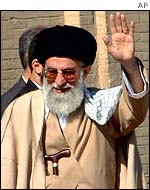
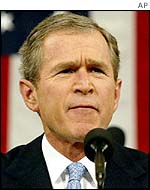
Its description of Iran as the most active state sponsor of terrorism was identical to last year's report. But it came at a time of considerable tension in relations between Tehran and Washington, following President Bush's decision to include Iran in his Axis of Evil. That has made relations with the US one of the dominant and most controversial issues in Iranian politics. Some reformist leaders believe the best course is to begin a dialogue with the Americans, in order to defuse tensions. Some moderate conservatives are also believed to favour rebuilding bridges. Ayatollah's ire But hardline conservatives regard that as capitulation. In that, they have won the support of the country's Supreme Leader, Ayatollah Ali Khamenei.
In his strongest blast so far against the idea of negotiations with the US, he said any such move would be both treason and stupidity. The ayatollah appears to have been angered by a colloquium on the future of relations with America, held by the reformist-dominated parliament's National Security and Foreign Relations Commission on Tuesday. "These people who go on about talks with America are ignorant either of politics or of honour," the Leader said. "While the enemy is scowling at us in this way, speaking arrogantly and insulting the nation of Iran, and saying it wants to take steps against this system, this country and its interests, for some people to sit here, abject and despicable, saying, 'Oh, what shall we do now, shall we go, shall we not go, shall we get close, shall we talk to them, shall we beg them?' - this is an insult to the honour and dignity of the Iranian people. "It is a sign of dishonour," he said, using phrasing which is deeply offensive in Farsi. Twice before, the ayatollah had made it publicly clear that he opposed any negotiations. He has the last word on all such major policy issues, and no official talks could happen without his approval. Secret talks? But some reformists are so convinced that dialogue is the only logical course, that they are trying to keep the issue alive - apparently, even at the risk of angering the Leader.
There have been persistent reports - and denials - that secret unofficial contacts between Iran and the US took place recently either in Cyprus or Switzerland. Many accounts have named one of the sons of the pragmatic and still influential former president Hashemi Rafsanjani as one of the participants. Rapprochement inevitable? Some Iranian observers believe renewing ties with Washington is only a matter of time - and of who leads the way, and reaps the benefits of renewed trade and business. Opinion polls have shown that most Iranians would back such a move. Relations were severed after the Islamic revolution in 1979 and the seizure of the US embassy in Tehran by Iranian militants, who held American diplomats hostage for 444 days. American legislation and presidential orders ban US companies from investing or operating in Iran, and even in theory impose sanctions on third-party companies making major investments here. | |
See also:  22 May 02 | Americas 22 May 02 | Americas 21 May 02 | Americas 20 May 02 | Americas 11 Feb 02 | Middle East 30 Jan 02 | Americas 30 Jan 02 | Americas 05 Feb 02 | Americas Internet links: The BBC is not responsible for the content of external internet sites Top Middle East stories now: Links to more Middle East stories are at the foot of the page. | |||||||||||||||||||||||||||||||||||||||||||||||||||||||||||||||||||||||||||||||||||||||||||||||||||||||||||||||||||||||||||||||||||||||||||||||||||||||||||||||||||||||||||||||||||||||
| |
|  E-mail this story to a friend E-mail this story to a friend |
| |
| Links to more Middle East stories |
| | | ||
 | ||||
 | | Back to top
| ||
| ---------------------------------------------------------------------------------- To BBC Sport>> | To BBC Weather>> | To BBC World Service>> ---------------------------------------------------------------------------------- © MMIII | News Sources | Privacy |






 TALKING POINT
 WTC attacks


