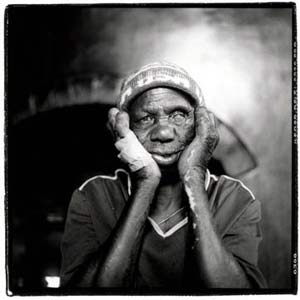
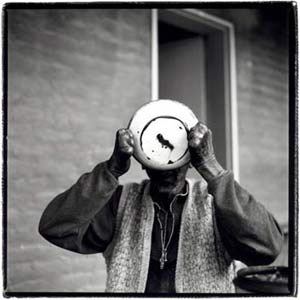
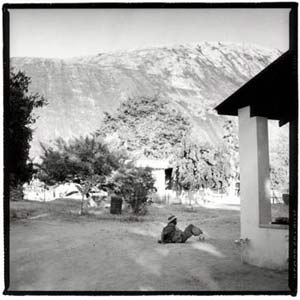
1 of 8 To mark World Leprosy Week BBC News Online looks at the Mutemwa Leprosy Settlement which opened in the 1930s to house lepers from all over Zimbabwe. (Photographer: Simon Roberts / *nb pictures)
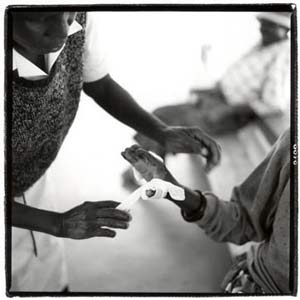
2 of 8 With no cure available at that time, it was a place where those with the disease could be isolated and treated.
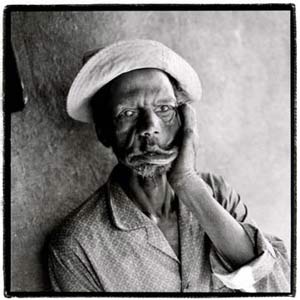
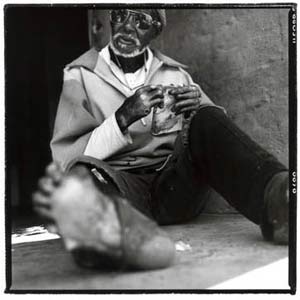
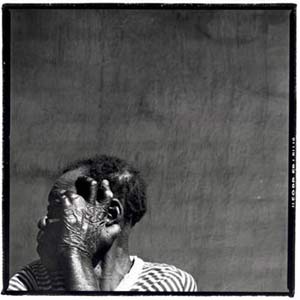
3 of 8 Over the next twenty years it grew to house over a 1000, but in the 1960s many were relocated leaving just 200 at Mutemwa. Today there are only 38 people remaining, many of whom, like Wilson Nyuare, bear the scars of the disease.
4 of 8 The majority of those living in Mutemwa today contracted leprosy before treatment existed, though many cultures still mistakenly view leprosy as a punishment from a god or evil spirit.
5 of 8 Leprosy (also known as Hansen's disease) attacks the nerves of the hands, feet and face, which if untreated results in a loss of mobility of fingers, toes and eyelids.
6 of 8 The World Health Organisation advises that leprosy is still a problem in many developing countries and in 2002 there were over 600,000 new cases reported.
7 of 8 Effective treatment has been available for over 50 years and today's drugs can prevent deformities and disabilities or even reverse some of these.
8 of 8 The Mutemwa Leprosy Settlement is now a safe home to those who whilst bearing the outward signs of leprosy are now cured. The fight to increase awareness and to combat leprosy continues.


 One-Minute World News
  News services

 E-mail this to a friend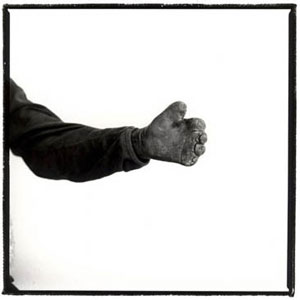

 In pictures