
|
 |
 | | | | | | |||||||||||||||||||||||||||||||||||||||||||||||||||||||||||||||||||||||||||||||||||||||||||||||||||||||||||||||||||||||||||||||||||||||||||||||
| | | You are in: In Depth: 2003: HE case studies | |||||||||||||||||||||||||||||||||||||||||||||||||||||||||||||||||||||||||||||||||||||||||||||||||||||||||||||||||||||||||||||||||||||||||||||||||
|
| |  Wednesday, 22 January, 2003, 19:25 GMT Wednesday, 22 January, 2003, 19:25 GMTLeeds chief's warning on reforms  Students will have to choose between differently-priced courses
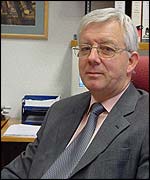
Allowing universities to charge different levels of fees creates the danger of a two-tier higher education system, says Geoff Hitchins, deputy vice-chancellor of Leeds Metropolitan University. "I don't see how this fits in with the government's plans to widen access," he says. And he questions the fairness of forcing young people to choose between courses where the price difference could represent thousands of pounds of borrowing. "Should they take a course which is more expensive, in the hope that it will bring them a greater return?"
But on balance, Dr Hitchins believes that the shift away from up-front fees and the recognition that universities need increased funding, are steps in the right direction. When so many more students are entering university, he says it is an unavoidable necessity that students will have to make a financial contribution - and that the government's proposals are a pragmatic recognition of this. He is also relieved that a formal separation of teaching and research universities was not part of the education secretary's plans. But he does remain concerned that the larger question of student debt is still outstanding.
From the perspective of a new university, he also points to the way that the debate over fees is modelled on a type of student that is much more familiar to the old universities. At Leeds Metropolitan University, 40% of students are part-time and 70% are over the age of 21. But the tuition fees debate, he says, reflects the university experience of those in power - of three year, full-time undergraduate degree courses, starting at the age of 18. As such, he says the fees debate invariably overlooked the fact that already tuition fees for part-time students could be as high or low as the university wanted and that there was no obligatory maximum or minimum. If this remains unchanged, the whole question of adopting differential fees could remain an irrelevance for a large number of his students. Bureaucracy The government is proposing an "access regulator" to ensure that university intakes are broadened to take students from a wider range of backgrounds. Dr Hitchins sees this move as a brake on Oxford, Cambridge and the more prestigious universities, and for new universities, he says the main concern will be that it could bring more unwelcome bureaucracy. Although commending the proposals as a "reasonable way forward", he says the great challenge for the higher education sector will be to recruit students from the sections of society which traditionally have never been to university. For these families, "it is debt - and worry about debt - which is the barrier". And he says the concern remains that for too many young people the threat of debt will continue to block the path to university. | | See also:  20 Jan 03 | Education 14 Jan 03 | Education 11 Jan 03 | Mike Baker Internet links: The BBC is not responsible for the content of external internet sites Top HE case studies stories now: Links to more HE case studies stories are at the foot of the page. | |||||||||||||||||||||||||||||||||||||||||||||||||||||||||||||||||||||||||||||||||||||||||||||||||||||||||||||||||||||||||||||||||||||||||||||||
 | |
|  E-mail this story to a friend E-mail this story to a friend |
| |
| Links to more HE case studies stories |
| | | ||
 | ||||
 | | Back to top
| ||
| ---------------------------------------------------------------------------------- To BBC Sport>> | To BBC Weather>> | To BBC World Service>> ---------------------------------------------------------------------------------- © MMIII | News Sources | Privacy |






 It is debt - and worry about debt - which is the barrier