|
 |
 | | | | | | |||||||||||||||||||||||||||||||||||||||||||||||||||||||||||||||||||||||||||||||||||||||||||||||||||||||||||||||||||||||||||||||||||||||||
| | | You are in: Health | |||||||||||||||||||||||||||||||||||||||||||||||||||||||||||||||||||||||||||||||||||||||||||||||||||||||||||||||||||||||||||||||||||||||||||
|
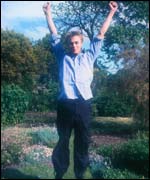
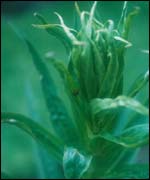
| | Saturday, 15 February, 2003, 00:01 GMT Putting plant medicine on the map  Properties from the khella plant helps asthmatic Molly For centuries plants have been used to create medicinal remedies. From opium poppies, used to create morphine to meadow saffron for aspirin, plants have been vital. And in future scientists estimate that three quarters of the world's population will depend on plants for their medicine. In 1673 the Worshipful Society of Apothecaries set up the Chelsea Physic Garden to train apprentices in the art of identifying medicinal plants. Conditions Now an exhibition by photographer Sue Snell, at the Royal Brompton Hospital, London, celebrates the "Timely Cures". Through the exhibition Sue, the photographer-in-residence for the Chelsea Physic's Pharmaceutical Gardens, matched individuals with the plants whose properties were used to help their conditions. She photographed the plants from the start of growth, through to fruition as well as the doctors, pharmacists and patients using the drugs.
She even found and photographed a dog taking aspirin for a heart condition and a horse taking digoxin, from the woolly foxglove, for a hole in the heart. Chris Chappell and Molly Sherborne are both asthmatics and were photographed with the plant Khella, whose properties are used in Intal a drug used to help asthmatics.
"I wanted my pictures to have a softness. I did not want them to be gloomy. "I wanted them to show the restorative element of medicine. "I followed the plants from day one and then I looked for the people who used them for medicine. "The patients were very interested in what I was doing, a lot of people just do not know that their medicines are based on plants.
"The physic garden is an amazing place," she said. The exhibition "Timely Cures" runs in the coffee shop at the Royal Brompton Hospital until March 30. | | See also:  05 Jan 03 | Health 28 Feb 01 | Science/Nature 03 Jul 02 | Health 16 Jun 02 | Health 26 Jun 02 | Health Internet links: The BBC is not responsible for the content of external internet sites Top Health stories now: Links to more Health stories are at the foot of the page. | |||||||||||||||||||||||||||||||||||||||||||||||||||||||||||||||||||||||||||||||||||||||||||||||||||||||||||||||||||||||||||||||||||||||||
 | |
|  E-mail this story to a friend E-mail this story to a friend |
| |
| Links to more Health stories |
| | | ||
 | ||||
 | | Back to top
| ||
| ---------------------------------------------------------------------------------- To BBC Sport>> | To BBC Weather>> | To BBC World Service>> ---------------------------------------------------------------------------------- © MMIII | News Sources | Privacy |




 I wanted them to show the restorative element of medicine