
|
 |
 | | | | | | ||||||||||||||||||||||||||||||||||||||||||||||||||||||||||||||||||||||||||||||||||||||||||||||||||||||||||||||||||||||||||||||||||||||||
| | | You are in: Health | ||||||||||||||||||||||||||||||||||||||||||||||||||||||||||||||||||||||||||||||||||||||||||||||||||||||||||||||||||||||||||||||||||||||||||
|
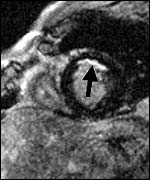
| | Monday, 3 February, 2003, 00:35 GMT Heart scan could save lives  Dr Robert Judd with cardiac MRI scans A sophisticated scanning technique could help save lives by detecting tiny areas of tissue damage in the heart. The areas of muscle cell death, known as infarcts, can be a tell-tale sign of more serious heart problems to come. They cannot be spotted by commonly used imaging techniques. However, researchers from Duke University Medical Center and Northwestern University Medical School in the US have detected them using a technique called cardiac magnetic resonance imaging (MRI). The researchers compared the effectiveness of cardiac MRI with another more traditional nuclear imaging technique called single photon emission computer tomography (SPECT). In tests on 91 patients with known or suspected coronary artery disease, SPECT detected only 53% of the microinfarcts that were detected by cardiac MRI. Some 13% of patients with microinfarcts were shown to have none when SPECT alone was used. Cell death The smaller the infarct, the more likely that SPECT will miss it. Heart attacks occur when blood flow to an area of the heart is cut off or blocked, depriving muscle cells of oxygen and nutrients.
In a large heart attack, the area of cell death can cover the entire thickness of the chamber's wall. However, in smaller microinfarcts, the cell death may only travel a short distance. Since the spatial resolution of SPECT is roughly equivalent to the thickness of the heart chamber wall, it can only detect those infarcts that have traversed a good portion of the chamber wall. The spatial resolution of cardiac MRI is 60 times greater than SPECT - allowing it to pick up these microinfarcts. Follow up tests on animals confirmed that cardiac MRI was more sensitive. Lead researcher Dr Robert Judd said further studies are needed to establish the role of cardiac MRI in the diagnosis of heart disease. At present, the technique is not so accurate that it is completely fail safe. However, he told BBC News Online: "This study demonstrates that the new MRI technique detects small heart attacks which are missed existing routine tests such as nuclear perfusion imaging, EKG, and blood tests. "Until now many patients would have been sent home without treatment because the patient and physician were unaware of the heart attack." Sensitive technique
"This means that people with subtle cardiac problems will be less likely to be missed, and further appropriate testing and treatment can be started much earlier in the process of the disease. "Cardiological practice can now benefit from very sensitive biochemical and imaging tests for the detection of heart disease, with improvements year on year. "This research is an example of such an advance. Better availability of these modern techniques is essential." Reassurance The British Heart Foundation (BHF) said MRI scans were only at a limited number of centres in the UK due to its high cost. Alison Drugan, a BHF cardiac nurse, said: "MRIs can be very useful when other investigations perhaps haven't shown as much as doctors would like to see. "There may be cost implications however as the tests are quite expensive. "The public should be assured that echo cardiograms, ECGs and blood tests currently used in diagnosis allow us to ascertain quite accurately whether someone has had a heart attack or not. "It is also worth noting that in the UK if doctors are unsure of an exact diagnosis, an MRI will usually be given. "MRIs are helpful, but in the majority of cases existing tests are sufficient to give an accurate diagnosis." The research is published in The Lancet. | | See also:  20 Jun 02 | Health 05 Feb 03 | Health 22 Jun 99 | Health 07 Jun 02 | Health Internet links: The BBC is not responsible for the content of external internet sites Top Health stories now: Links to more Health stories are at the foot of the page. | ||||||||||||||||||||||||||||||||||||||||||||||||||||||||||||||||||||||||||||||||||||||||||||||||||||||||||||||||||||||||||||||||||||||||
 | |
|  E-mail this story to a friend E-mail this story to a friend |
| |
| Links to more Health stories |
| | | ||
 | ||||
 | | Back to top
| ||
| ---------------------------------------------------------------------------------- To BBC Sport>> | To BBC Weather>> | To BBC World Service>> ---------------------------------------------------------------------------------- © MMIII | News Sources | Privacy |




 Better availability of these modern techniques is essential