|
 |
 | | | | | | |||||||||||||||||||||||||||||||||||||||||||||||||||||||||||||||||||||||||||||||||||||||||||||||||||||||||||||||||||||||||||||||||||||||
| | | You are in: Health | |||||||||||||||||||||||||||||||||||||||||||||||||||||||||||||||||||||||||||||||||||||||||||||||||||||||||||||||||||||||||||||||||||||||||
|
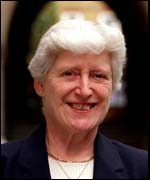
| | Wednesday, 22 January, 2003, 13:39 GMT Reserved judgement in IVF mix-up  The twins were born at Leeds General Infirmary Judgement has been reserved in a High Court case to determine who is the legal father of mixed-race twins born to a white couple after an IVF sperm mix-up. A date has not been given for when Family Division President Dame Elizabeth Butler-Sloss will give her ruling. The mix-up happened at Leeds General Infirmary when the sperm of Mr B, a black man, was mistakenly used to fertilise the eggs of Mrs A, a white woman. The twins are being brought up by Mr and Mrs A but Mr B has previously said he may seek access to the children.
Judith Parker QC, representing the biological father Mr B and his wife, told the hearing in London: "The issue so far as it relates to my clients is the status of the children; whether their parentage leads Mr A to be regarded as the father for all purposes within the meaning of the Human Fertilisation and Embryology Act 1990." Dame Elizabeth stressed at a hearing last November that there was no question of uprooting the twins from their "happy and loving environment" with the white couple. But she said that, once legal parentage had been established, the black couple involved would need "time to reflect" on what further assistance they might need from the courts. She said the twins, referred to as Y and Z, "have been loved by Mr and Mrs A and their wider family from the moment of their birth and nothing that has happened since then will change that". Greater rights Mr B, the biological father, and his wife still have no children of their own. If Mr A is held not to be the twins' father he will have to adopt them if he wants to become their legal parent. A ruling that Mr B is the legal father would give him greater rights in seeking contact with the children. Miss Parker emphasised that Mr B could not be "equated with a sperm donor". Controlled conception She said: "My client did not give his agreement to sperm being used for donation purposes." It was a "completely controlled conception". The judge said that "the most important aspect of this case is whether or not this case falls within the 1990 Act." Wrong embryos She added: "When I have made up my mind about that I think other things will fall into place." The judge has stressed that there is no evidence of any other patients receiving the wrong embryos at the clinic. The judge has imposed reporting restrictions banning the identification of either couple or the children. | |   See also: 06 Nov 02 | Health Internet links: The BBC is not responsible for the content of external internet sites Top Health stories now: Links to more Health stories are at the foot of the page. | |||||||||||||||||||||||||||||||||||||||||||||||||||||||||||||||||||||||||||||||||||||||||||||||||||||||||||||||||||||||||||||||||||||||
 | |
|  E-mail this story to a friend E-mail this story to a friend |
| |
| Links to more Health stories |
| | | ||
 | ||||
 | | Back to top
| ||
| ---------------------------------------------------------------------------------- To BBC Sport>> | To BBC Weather>> | To BBC World Service>> ---------------------------------------------------------------------------------- © MMIII | News Sources | Privacy |