|
 |
 | | | | | | |||||||||||||||||||||||||||||||||||||||||||||||||||||||||||||||||||||||||||||||||||||||||||||||||||||||||||||||||||||||||||||||||||||||||
| | | You are in: Health | |||||||||||||||||||||||||||||||||||||||||||||||||||||||||||||||||||||||||||||||||||||||||||||||||||||||||||||||||||||||||||||||||||||||||||
|
| | Tuesday, 17 December, 2002, 16:40 GMT CJD drug: A scientist's view 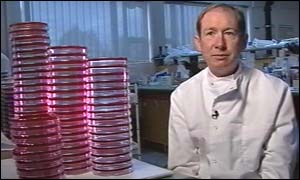 Dr Dealler believes Pentosan can help Microbiologist Dr Stephen Dealler had no link with the High Court case - but believes that using an experimental drug on vCJD patients is the way forward. BBC News Online spoke to him. Dr Dealler, a medical microbiologist at Lancaster Royal Infirmary, has been researching prion disease for more than a decade. For much of that time, he has championed a drug called pentosan polysulphate, a controversial treatment which he claims will be able to have an effect on vCJD. He has followed its progress through various experiments on animals. Now, with two teenagers given the go-ahead by the High Court to receive the drug, he is waiting with anticipation to see what it can do in humans.
"This drug has been used in mice, in test tubes, we knew why it was likely to work in humans. "But in fact this drug cannot be injected intravenously because it just doesn't get into the brain, that's always been the case." Cautious hope However, he is not expecting a full recovery from either of the vCJD patients involved in the court action. At best, he says, the drug may delay or halt the progress of the disease.
"We might expect that they won't get any worse, it may lengthen the incubation of the disease." He said that urine tests for vCJD "prions" were under development, so it might be possible to check on the effects of the drug inside the brain. "It's such a jump to be able to treat people with symptoms, and although these symptoms may not go away. Blood tests A far bigger potential problem, he said, is the possibility that many more people are currently incubating the disease, and may fall ill later in life. He believes that if these people could be identified through blood testing, then pentosan could a way of helping them.
"At the moment we just tell them they are going to die. "With this kind of treatment, the possibility appears of at least finding some kind of treatment to make sure they are alright." He said: "We must make sure these people don't die from disease and that's where this drug comes in. "We may be able to give it to them and stop them getting ill. It's so exciting." | | See also:  17 Dec 02 | Health 17 Dec 02 | Health 17 Dec 02 | Health Internet links: The BBC is not responsible for the content of external internet sites Top Health stories now: Links to more Health stories are at the foot of the page. | |||||||||||||||||||||||||||||||||||||||||||||||||||||||||||||||||||||||||||||||||||||||||||||||||||||||||||||||||||||||||||||||||||||||||
| |
|  E-mail this story to a friend E-mail this story to a friend |
| |
| Links to more Health stories |
| | | ||
 | ||||
 | | Back to top
| ||
| ---------------------------------------------------------------------------------- To BBC Sport>> | To BBC Weather>> | To BBC World Service>> ---------------------------------------------------------------------------------- © MMIII | News Sources | Privacy |




 Really I wouldn't expect them to improve - a certain number of cells in their brain will have died and won't come back