
|
 |
 | | | | | | |||||||||||||||||||||||||||||||||||||||||||||||||||||||||||||||||||||||||||||||||||||||||||||||||||||||||||||||||||||||||||||||||||||||||||||||||||||||||||||||||||||||||||||||
| | | You are in: Health | |||||||||||||||||||||||||||||||||||||||||||||||||||||||||||||||||||||||||||||||||||||||||||||||||||||||||||||||||||||||||||||||||||||||||||||||||||||||||||||||||||||||||||||||||
|
| | Tuesday, 17 December, 2002, 10:59 GMT UK buys 'safe' blood supply for NHS 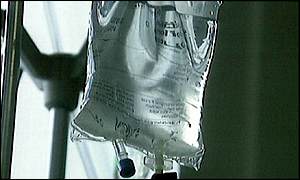 Clean blood supplies need to be secured The British Government has spent nearly �50m buying up a private American firm in an attempt to secure a safe long-term supply of blood plasma for the NHS, the BBC has learnt. Britain cannot use its own supplies, because it is feared they may be contaminated by variant CJD, BBC Radio 4's Today programme reported.
Although the government has already taken a number of steps to minimise contamination - including importing plasma to treat haemophiliacs - it has been advised it needs to safeguard its supplies. Niall Dickson, the BBC's social affairs editor, said as part of the "unusual step" the company's management would remain unchanged, but the firm would only provide plasma for the NHS. Because of a risk of vCJD in our own blood the UK has relied on American supplies since 1998 Recently, new collection companies in the US have been bought up by private suppliers and the UK government was advised its supplies could be threatened, our correspondent said. 'Appreciable risk' Back in August, it emerged the risk of the human form of BSE being transmitted through blood transfusions might be considerably higher than previously thought. Tests at the Institute of Animal Health revealed one in six animals given blood from sheep infected with a similar disease went on to develop the illness, suggesting there was an "appreciable" risk to humans. Plasma is the fluid in which red and white blood cells and platelets are carried round the body. It is separated and frozen so it can be used to clot blood, provide antibodies and vital minerals in patients needing big blood transfusions. It is also used for premature babies and children having heart surgery or liver transplants. The US is seen as the only country able to supply the quantity of blood plasma needed in the NHS without the risk of vCJD. The DoH spokeswoman said: "It was felt in order to make sure there was enough plasma, the best thing to do was to actually buy the company and make sure the supply continues. "The decision is for the benefit of NHS patients." Nervous Dr Ian Gibson, chairman of the Commons Science and Technology Committee, said he was "slightly nervous" about the move. "I need to be reassured that the source is bona fide and reliable. "I'm sure they do all the correct tests, but vCJD is a very difficult agent to nail down." Dr Gibson said artificial blood may one day be the best way to prevent any risk of vCJD, but he warned that scientists still had a long way to go to perfect artificial supplies. The Haemophilia Society said the Government's decision to purchase Life Resources was an incomplete response to its concerns about vCJD. It welcomed moves to protect the safety and supply of plasma products, but said people with haemophilia should urgently be given the safest treatment, which is synthetic genetically engineered recombinant products. | |
See also:  17 Dec 02 | Health 10 Jul 02 | Health 06 Jul 01 | Health Internet links: The BBC is not responsible for the content of external internet sites Top Health stories now: Links to more Health stories are at the foot of the page. | |||||||||||||||||||||||||||||||||||||||||||||||||||||||||||||||||||||||||||||||||||||||||||||||||||||||||||||||||||||||||||||||||||||||||||||||||||||||||||||||||||||||||||||||
| |
|  E-mail this story to a friend E-mail this story to a friend |
| |
| Links to more Health stories |
| | | ||
 | ||||
 | | Back to top
| ||
| ---------------------------------------------------------------------------------- To BBC Sport>> | To BBC Weather>> | To BBC World Service>> ---------------------------------------------------------------------------------- © MMIII | News Sources | Privacy |




 The UK Government was advised its supplies could be threatened


