
|
 |
 | | | | | | ||||||||||||||||||||||||||||||||||||||||||||||||||||||||||||||||||||||||||||||||||||||||||||||||||||||||||||||||||||||||||||||||||||||
| | | You are in: Health | ||||||||||||||||||||||||||||||||||||||||||||||||||||||||||||||||||||||||||||||||||||||||||||||||||||||||||||||||||||||||||||||||||||||||
|
| | Monday, 16 December, 2002, 15:54 GMT Brain scan clues to 'memory marvels' 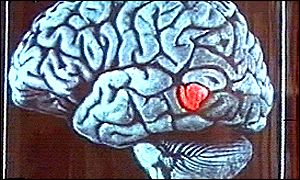 Brain scans revealed areas working hard There is nothing special about the brains of people with the amazing ability to remember long sequences of letters or numbers, say scientists. Instead, they conclude, their unusual talent is all down to a simple technique called "mnemonics". Scientist Dr Eleanor Maguire of University College London looked at the brains of eight people who were leading contenders in the "World Memory Championships". This event involves the memorising of random sequences of thousands of numbers, epic poems and hundreds of unrelated words. Although psychological tests on such competitors have revealed nothing out of the ordinary, Dr Maguire put her subjects through a brain scanner to see if there were any physical differences between them and ordinary people. And she found no significant gulf between their minds and ours. List of numbers She concluded, in a paper in the journal Nature Neuroscience: "Superior memory was not driven by exceptional intellectual ability or structural brain differences. "Rather, we found that superior memorisers used a spatial learning strategy, engaging brain regions such as the hippocampus which are critical for memory and for spatial memory in particular." Mnemonics works by taking apparently meaningless information and adding a meaningful tag to it. The oft-quoted example of a technique used by memorisers to remember numbers is to imagine a familiar route, and, in their imagination, place objects relating to the number or letter in question at various waypoints. When it comes to recalling the information, a mental march along the route will reveal the objects or events that hold the key. Increased activity In fact, the study found that, in the brains of top memorisers, there was increased used of three areas of the brain linked to mnemonic type learning. Dr James Elander, from the University of Lancaster, told BBC News Online that the findings correlated with the results of other studies into this area of memory. He said: "If you use the right technique, with a lot of application and hard work you can improve your memory. "It certainly doesn't look like it's a question of neurological machinery." | | See also:  31 Aug 02 | Health 05 Nov 02 | Health 31 Jul 02 | Health Internet links: The BBC is not responsible for the content of external internet sites Top Health stories now: Links to more Health stories are at the foot of the page. | ||||||||||||||||||||||||||||||||||||||||||||||||||||||||||||||||||||||||||||||||||||||||||||||||||||||||||||||||||||||||||||||||||||||
| |
|  E-mail this story to a friend E-mail this story to a friend |
| |
| Links to more Health stories |
| | | ||
 | ||||
 | | Back to top
| ||
| ---------------------------------------------------------------------------------- To BBC Sport>> | To BBC Weather>> | To BBC World Service>> ---------------------------------------------------------------------------------- © MMIII | News Sources | Privacy |



