|
 |
 | | | | | | ||||||||||||||||||||||||||||||||||||||||||||||||||||||||||||||||||||||||||||||||||||||||||||||||||||||||||||||||||||||||||||||||||||||||
| | | You are in: Health | ||||||||||||||||||||||||||||||||||||||||||||||||||||||||||||||||||||||||||||||||||||||||||||||||||||||||||||||||||||||||||||||||||||||||||
|
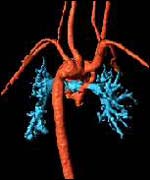
| | Monday, 16 December, 2002, 14:08 GMT Scan picks up heart defects  The technique will allow doctors to look inside a heart A high-tech scanning system could help doctors get a 3D view of complex heart defects in children. It could help make operations to correct faults simpler and safer. The system, which merges magnetic resonance scans (MRI) with x-rays, allows doctors to see exactly what is happening inside the heart. It has been developed by scientists at King's College London, and has been tested on 12 children at Guy's and St Thomas' Hospital. Hole-in-the-heart Approximately eight out of 1,000 babies born in the UK has some form of heart defect, be it a "hole in the heart", faulty valve, or a severe heart structure problem which threatens their life.
But in order for doctors to fully assess the nature of the defect, doctors pass a catheter tube up through a vein in the leg all the way to the organ. Here, pressures and flows through and from the various chambers of the heart can be measured. Accurate placement of the tube is important, and, at the moment, x-ray shots are used periodically through the "catheterisation" procedure to check its location. Doctors are keen to avoid such intensive use of x-rays, as there are fears that it could increase the risk of cancer in later life.
It creates a three-dimensional image of the heart, and allows doctors to see the shape of the surface of the organ, as well as visualise blood passing through it. Treatment tube Dr Derek Hill, a reader in medical imaging, at Guy's, King's and St Thomas' Medical School, said: "It's like being able to see the model of a house rather than a floor plan. Dr Edward Baker, a senior lecturer at the school, added: "This will reduce or eliminate the risks from x-rays and greatly improve the quality of information available to the doctors treating these sick children. Although many heart defects need open heart surgery to correct, some - such as some holes - can be fixed using another catheter, and the scanning system can help surgeons carry out these procedures. In a study of 12 children, aged from nine months to five years old, eight underwent catherisation for diagnostic purposes, while the other four had either a heart defect or abnormally fast heartbeat repaired. Many surgeons prefer to repair certain major heart defects as soon as possible after birth. However, Dr Baker told BBC News Online that he expected the technique to be of use in newborn babies as well as older children. | | See also:  17 Jul 01 | Health 23 Jun 00 | G-I 23 Jul 02 | Health Internet links: The BBC is not responsible for the content of external internet sites Top Health stories now: Links to more Health stories are at the foot of the page. | ||||||||||||||||||||||||||||||||||||||||||||||||||||||||||||||||||||||||||||||||||||||||||||||||||||||||||||||||||||||||||||||||||||||||
| |
|  E-mail this story to a friend E-mail this story to a friend |
| |
| Links to more Health stories |
| | | ||
 | ||||
 | | Back to top
| ||
| ---------------------------------------------------------------------------------- To BBC Sport>> | To BBC Weather>> | To BBC World Service>> ---------------------------------------------------------------------------------- © MMIII | News Sources | Privacy |




 It's like being able to see the model of a house rather than a floor plan