|
 |
 | | | | | | |||||||||||||||||||||||||||||||||||||||||||||||||||||||||||||||||||||||||||||||||||||||||||||||||||||||||||||||||||||||||||||||||||||||||||||||||||||||||||||||||||||||||||||||||||
| | | You are in: Health | |||||||||||||||||||||||||||||||||||||||||||||||||||||||||||||||||||||||||||||||||||||||||||||||||||||||||||||||||||||||||||||||||||||||||||||||||||||||||||||||||||||||||||||||||||||
|
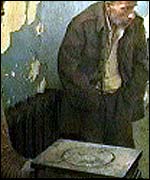
| | Monday, 16 December, 2002, 12:20 GMT Mental health travesty in Bulgaria 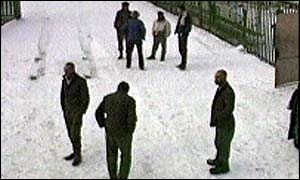 Patients have to cope with the intense cold
As Bulgaria looks set to join the European Union by 2007, it is under pressure to reform mental health care - in particular its notorious social care homes. These are not psychiatric hospitals but institutions for people with mental disabilities.
They are very much a hangover from Soviet times, more akin to Russian labour camps then sancturies of care. In many instances there is barely any heating although there are sub-zero temperatures outside and the glass from the windows is missing. There is minimal medical attention (in many homes there is no doctor on site) and nutritious food is in limited supply. It is perhaps not surprising when those running the homes have a budget of around �30 per person per month. Widespread ignorance
According to the Bulgarian Helsinki Committee - an internationally respected human rights group - Bulgaria has some 100 social care homes - responsible for around eight thousand vulnerable adults and children. These people have been abandoned by their families - often since childhood - a throwback to the Communist past when the cultural norm was to hide these people away in instututions far away from view. Many countries are guilty of doing the same to a lesser degree but the difference with Bulgaria is the neglectful state of these human warehouses.
There is also little incentive to close the homes down when in many cases they're the main employer in the district. Mountain unit I visited one in Western Bulgaria - Pastra situated high up in the mountains not far from the Rila Monestary, one of the most religious spots in Bulgaria.
Some have no shoes and socks although it's minus ten degrees outside. One in ten residents did not survive the past year - and there is no reason to expect it to be any different this year. All this in 21st century Bulgaria. A country rich in history; religion and culture soon to be a fully fledged member of the European Union. A country which has met the Copenhagen Criteria which states that "membership requires that the candidate country has achieved stability of institutions guaranteeing democracy, the rule of law, human rights and respect for and, protection of minorities", and a country that has been slow to right the wrongs of the past. Bulgaria is struggling economically so money is tight. Reforms in mental health care are in the pipeline - but the focus is largely on practices in psychiatric hospitals (themselves appaulling) - and to date social care homes seems to have been excluded from any proposals. International standing Even so, the Ministry of Labour and Social Policy is sensitive to its international reputation and has told the BBC that investment is going into modernising these homes. It trumpets the fact that it has put more money into modernising it's social institutions and has closed the notorious Sanadinovo children's home. But when a ministry tells you that at Pastra the heating problems were solved two years ago - and our visit proved that this clearly was no so - one has to be sceptical about how much things have changed. Human Rights Campaigner Krassimir Kanev sums up the situation. "Bulgaria strives to reach the European level of economic and social welfare and on the other hand it has 18th century asylums." Of course, Bulgaria is not alone in continuing the practices of the past. Romania and Hungary have also had attracted criticism for the atrocious state of their mental health instututions. But presssure must be brought to bear by the international community. The fact that a recent report by Amnesty International on the state of Bulgaria's care homes, received barely any press or media coverage - is an indictment of a modern society that has forgotten that it was only 13 years ago, when similar scenes of neglect in Ceaucescu's Romania, caused a global outcry. | |
See also:  02 Dec 02 | Europe Internet links: The BBC is not responsible for the content of external internet sites Top Health stories now: Links to more Health stories are at the foot of the page. | |||||||||||||||||||||||||||||||||||||||||||||||||||||||||||||||||||||||||||||||||||||||||||||||||||||||||||||||||||||||||||||||||||||||||||||||||||||||||||||||||||||||||||||||||||
| |
|  E-mail this story to a friend E-mail this story to a friend |
| |
| Links to more Health stories |
| | | ||
 | ||||
 | | Back to top
| ||
| ---------------------------------------------------------------------------------- To BBC Sport>> | To BBC Weather>> | To BBC World Service>> ---------------------------------------------------------------------------------- © MMIII | News Sources | Privacy |






 In many instances there is barely any heating although there are sub-zero temperatures outside