|
 |
 | | | | | | ||||||||||||||||||||||||||||||||||||||||||||||||||||||||||||||||||||||||||||||||||||||||||||||||||||||||||||||||||||||||||||||||||||||||
| | | You are in: Health | ||||||||||||||||||||||||||||||||||||||||||||||||||||||||||||||||||||||||||||||||||||||||||||||||||||||||||||||||||||||||||||||||||||||||||
|
| | Monday, 16 December, 2002, 00:00 GMT Worm's fat swap could help humans 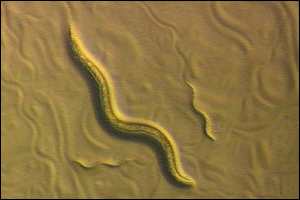 Nematode worms provided the chemical The ability of worms to convert potentially harmful fats into helpful ones might be harnessed to cut heart disease and strokes. Nematode worms, despite their tiny size, appear to be better at coping with Omega-6 fatty acids - a fat which contributes to blocked arteries in humans. The worms naturally convert Omega-6 to Omega-3 fatty acids, which decrease inflammation in blood vessels, and help prevent the formation of blockages. Scientists in the US have found that a particular chemical made by the worm appears to have a beneficial effect on human cells in a test tube. Artery trouble When human arteries harden and clog up - a process called atherosclerosis - it can stop enough blood, and oxygen, reaching the muscles of the heart.
Experts believe that inflammation in the endothelial cells that line arteries makes it easier for white blood cells to stick to them, changing the surface texture and allowing the accumulation of "plaques" of fat. White cells Dr Steffen Meiler, from the Medical College of Georgia, found that adding the worm chemical - coincidentally called "fat-1" - to human endothelial cells halved the number of white blood cells sticking to them. It converted potentially damaging Omega-6 fatty acids to Omega-3 fatty acids inside the cells.
The "Western" diet is rich in Omega-6, while higher concentrations of Omega-3 can be found in many types of fish, including mackerel, tuna and salmon. Doctors believe that the worm chemical could help protect the arteries of patients undergoing heart surgery by damping down potentially damaging inflammation. Dr Meiler said: "Our hypothesis is that the endothelium becomes activated or inflamed after surgery and begins to react with blood components, such as white blood cells, setting the stage for high-risk cardiac complications. "Right now there is no way we can protect the endothelium in the perioperative window [during and after operations]." He added: "Our results have stirred a lot of excitement and we are eager to continue our work in this area." | | See also:  31 Aug 00 | Science/Nature 24 Oct 02 | Health 10 Dec 98 | Science/Nature Internet links: The BBC is not responsible for the content of external internet sites Top Health stories now: Links to more Health stories are at the foot of the page. | ||||||||||||||||||||||||||||||||||||||||||||||||||||||||||||||||||||||||||||||||||||||||||||||||||||||||||||||||||||||||||||||||||||||||
| |
|  E-mail this story to a friend E-mail this story to a friend |
| |
| Links to more Health stories |
| | | ||
 | ||||
 | | Back to top
| ||
| ---------------------------------------------------------------------------------- To BBC Sport>> | To BBC Weather>> | To BBC World Service>> ---------------------------------------------------------------------------------- © MMIII | News Sources | Privacy |




 Our results have stirred a lot of excitement