
|
 |
 | | | | | | ||||||||||||||||||||||||||||||||||||||||||||||||||||||||||||||||||||||||||||||||||||||||||||||||||||||||||||||||||||||||||||||||||||||
| | | You are in: Health | ||||||||||||||||||||||||||||||||||||||||||||||||||||||||||||||||||||||||||||||||||||||||||||||||||||||||||||||||||||||||||||||||||||||||
|
| | Tuesday, 10 December, 2002, 14:02 GMT Breast cancer delays criticised 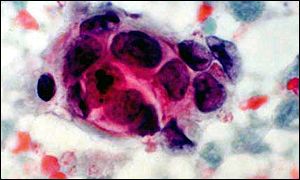 A breast tumour under the microscope Many women are waiting months from being diagnosed with breast cancer to starting radiotherapy, a leading expert said on Tuesday. Paul Sauven, a breast surgeon from Broomfield Hospital in Chelmsford, helped set up national guidelines for breast cancer. However, he is concerned that lack of resourced in the NHS is leading to lengthy delays for women waiting to start treatment. The first course of action for doctors once they know a woman has breast cancer is often an operation to remove the lump or breast, followed by a course of radiotherapy to kill any remaining cells. Ideally, the radiotherapy should follow hard on the heels of the operation, but in many parts of the NHS, the delay is much longer. Mr Sauven told a meeting at the Royal Society of Medicine that the issue was a "matter for concern" He said: "In parts of regions such as the south east, it is quite widely accepted that waiting times for radiotherapy are in the order of 12 to 14 weeks. "I think breast specialists are competent to deliver a very high level of clinical care - but we are let down by resources." 'Non-urgent' Another problem, he said, was that only a small fraction of patients sent by "urgent" referral turned out to have cancer - while a much higher proportion of so-called "non-urgent" referrals proved cancerous. While government targets demand that all "urgent" cases are seen by a specialist inside a fortnight, there is no target time for "non-urgent" cases. As a result, said the surgeon, despite the high positive rate among the "non-urgents", they became a lower priority. He said: "In a lot of units there is a 12 week delay for these referrals. "The Department of Health says that 97% of urgent referrals are seen within two weeks. "Like many other targets, it's not entirely relevant - are we hitting targets but missing the point?" The government has launched a multi-million pound investment in new radiotherapy equipment for hospitals to help ease the delays between diagnosis and treatment. And last week it announced a radical new pay scheme for NHS staff, including radiographers, which are in short supply in the health service. | | See also:  18 Feb 98 | Science/Nature 04 Jul 02 | Health 03 Jul 02 | Health Internet links: The BBC is not responsible for the content of external internet sites Top Health stories now: Links to more Health stories are at the foot of the page. | ||||||||||||||||||||||||||||||||||||||||||||||||||||||||||||||||||||||||||||||||||||||||||||||||||||||||||||||||||||||||||||||||||||||
| |
|  E-mail this story to a friend E-mail this story to a friend |
| |
| Links to more Health stories |
| | | ||
 | ||||
 | | Back to top
| ||
| ---------------------------------------------------------------------------------- To BBC Sport>> | To BBC Weather>> | To BBC World Service>> ---------------------------------------------------------------------------------- © MMIII | News Sources | Privacy |



