
|
 |
 | | | | | | ||||||||||||||||||||||||||||||||||||||||||||||||||||||||||||||||||||||||||||||||||||||||||||||||||||||||||||||||||||||||||||||||||||||
| | | You are in: Health | ||||||||||||||||||||||||||||||||||||||||||||||||||||||||||||||||||||||||||||||||||||||||||||||||||||||||||||||||||||||||||||||||||||||||
|
| | Monday, 2 December, 2002, 00:14 GMT Sleep clue to coma 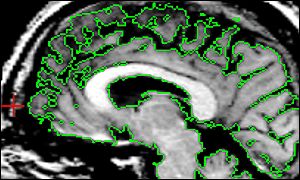 It isn't fully understood what is happening during a coma Comas may be caused by damage to a particular part of the brain which wakes us up every morning. A great deal is known about the parts of the brain that control us falling asleep. But what happens when the brain wants us to wake up is a little more of a mystery. Dr Bidi Evans, from King's College Hospital in London suggests there is a definite physical "switching on" process in the brain which allows us to emerge from sleep. She suggests that damage to sleep mechanisms may have a significant role to play in patients who are comatose. Since this process involves many different parts of the brain, she says, damage to any or all of them may rob us of this vital ability. This would mean that the patient may lie comatose because the brain is simply unable to wake itself up. Rough score Doctors can make a rough calculation of brain damage using the "Glasgow Coma Score", which looks at a variety of different indicators to gauge the level of consciousness - and perhaps predict the likely recovery of the patient. However, Dr Evans believes that a broader understanding of what is going on in the brain after injury may allow more reliable predictions. She looked at three different "levels" of the brain, and the influence damage had on "sleep" signals within the organ. Damage to the cerebral hemisphere - often seen in meningitis or alzheimer's, results in the patient still being able to wake up - but not fully. This condition is known as "persistent vegetative state". The thalamus and upper mid brain controls the mechanism which wakes us from sleep when necessary - for example when we are woken by a noise. Racing heart Damage here, perhaps by a stroke or tumours, can cause unconsciousness that is punctuated by spasms and sudden changes in spinal fluid pressure. Patients will often breathe hard, and their hearts will race. The lower mid-brain and a region called the upper pons receives most of the sensory input to the brain, with the result that damage here means that even strong stimuli, such as pain, will not wake you up. Dr Evans said: "The clinical phenomena accompanying any particular coma are related to the site and nature of the damage and provide information that helps in understanding the way that the system works." | | See also:  26 Sep 02 | Health 01 Aug 98 | Health 21 Sep 98 | Health 19 Nov 02 | Health Internet links: The BBC is not responsible for the content of external internet sites Top Health stories now: Links to more Health stories are at the foot of the page. | ||||||||||||||||||||||||||||||||||||||||||||||||||||||||||||||||||||||||||||||||||||||||||||||||||||||||||||||||||||||||||||||||||||||
| |
|  E-mail this story to a friend E-mail this story to a friend |
| |
| Links to more Health stories |
| | | ||
 | ||||
 | | Back to top
| ||
| ---------------------------------------------------------------------------------- To BBC Sport>> | To BBC Weather>> | To BBC World Service>> ---------------------------------------------------------------------------------- © MMIII | News Sources | Privacy |



