
|
 |
 | | | | | | ||||||||||||||||||||||||||||||||||||||||||||||||||||||||||||||||||||||||||||||||||||||||||||||||||||||||||||||||||||||||||||||||||||||||
| | | You are in: Health | ||||||||||||||||||||||||||||||||||||||||||||||||||||||||||||||||||||||||||||||||||||||||||||||||||||||||||||||||||||||||||||||||||||||||||
|
| | Tuesday, 26 November, 2002, 15:10 GMT NHS 'poaching third world nurses' 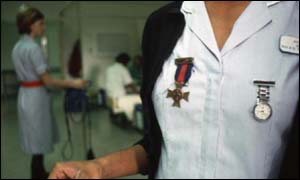 Many NHS nurses come from overseas The government has been accused of poaching much-needed nurses from developing countries to fill vacant posts in the NHS. Figures from the Nursing and Midwifery Council show the number of nurses from African countries registering to work in the UK has jumped sharply in recent years. In the past year, 2,114 nurses from South Africa have come to the UK in search of work.
The NMC figures also show that the number of nurses coming from other African countries has increased dramatically. Sharp increases In the past four years, the number of nurses coming from countries like Ghana, Nigeria, Zambia and Zimbabwe has increased five-fold. In 1998, just 310 nurses from these countries registered to work in the UK. This year that figure was 1,613. The Department of Health banned NHS trusts from recruiting from South Africa and Caribbean countries in 1999 where there are also nursing shortages. Last year, that ban was extended to all developing countries. However, the ban does not apply to private recruitment agencies. Just one in three of agencies working in this area are believed to have signed up to the government's guidelines. The Department of Health urges the NHS to recruit from countries with a surplus of nurses. It has signed agreements with India, Spain and the Philippines to allow trusts to recruit in these countries. Policy working Officials also insist that its ethical recruitment policy is working and that developing countries are not being drained of nurses. A spokesman said: "We are committed to the ethical recruitment of staff from developing countries. "The NHS does not actively recruit staff from developing countries, either directly or through commercial agencies, unless we have their agreement. "This is in accordance with the guidelines set out in the international code of practice published last year. "We are working in conjunction with other countries to ethically recruit staff and have had warm support from developing countries regarding our approach to ethical international recruitment. "However, individuals may choose to come to the UK from Europe or developing countries independently on a voluntary basis. "If this is the case then they will be considered for employment by NHS trusts in accordance with the trust's usual employment policy." Liberal Democrat health spokesman Dr Evan Harris said: "It is morally indefensible to strip poorer countries of nurses without admitting it, quantifying it and offering some reciprocation. "We cannot blame private companies. If it is legal and there is demand for nurses, they will do it." He added: "We now have to find a way of paying back those countries whose people are suffering because of our negligent failure to train our own nurses." | | See also:  23 Apr 01 | Health 19 Feb 02 | Health 03 May 01 | Health Internet links: The BBC is not responsible for the content of external internet sites Top Health stories now: Links to more Health stories are at the foot of the page. | ||||||||||||||||||||||||||||||||||||||||||||||||||||||||||||||||||||||||||||||||||||||||||||||||||||||||||||||||||||||||||||||||||||||||
| |
|  E-mail this story to a friend E-mail this story to a friend |
| |
| Links to more Health stories |
| | | ||
 | ||||
 | | Back to top
| ||
| ---------------------------------------------------------------------------------- To BBC Sport>> | To BBC Weather>> | To BBC World Service>> ---------------------------------------------------------------------------------- © MMIII | News Sources | Privacy |





