
|
 |
 | | | | | | ||||||||||||||||||||||||||||||||||||||||||||||||||||||||||||||||||||||||||||||||||||||||||||||||||||||||||||||||||||||||||||||||||||||||||||||||||||||||||||||||||||||||
| | | You are in: Health | ||||||||||||||||||||||||||||||||||||||||||||||||||||||||||||||||||||||||||||||||||||||||||||||||||||||||||||||||||||||||||||||||||||||||||||||||||||||||||||||||||||||||||
|
| | Friday, 15 November, 2002, 02:37 GMT Blood vessel scans would save lives 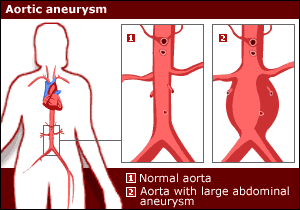 Screening men over the age of 65 for evidence of dangerous swelling in the major blood vessel from the heart could save signficant numbers of lives, research suggests. Rupture of this swelling - known as an aortic aneurysm - is a major cause of death among older men.
A Medical Research Council team led by Mr Alan Scott, from St Richard's Hospital, Chicester, examined the impact of screening in a study involving 67,800 men aged 65 years or over. Lower death rates Men who had aneurysms of larger than 3cm detected by screening were closely monitored, and underwent surgery when it was thought necessary. As a result, the death rate among this group was 52% lower than among men who were not screened. Just 6% of men who underwent planned surgery for an aneurysm died in the 30 days following their operation compared with 37% who underwent emergency surgery following a rupture - a much more likely scenario for men who were not screened. The researchers, whose work is published in The Lancet medical journal, calculated that 710 men would need to be screened to prevent one aneurysm-related death. Mr Scott said: "Our results indicate that implementation of a national screening programme could prevent more than 2,000 deaths from abdominal aortic aneurysm each year, without affecting quality of life. "The majority of men found to have an aneurysm, will not require treatment. In the few who do need treatment, surgery is usually a cure. "In view of the much higher frequency of the condition among men, and the absence of evidence of effect of screening on the incidence of ruptured aneurysms in women, it would be logical to screen only men. "The suggestion in an earlier report that a national screening programme could consist of a single aortic ultrasound scan at age 65 would be supported by our results." Cost effective In a separate paper published in the British Medical Journal, researchers have calculated that screening for aortic anerysms would be cost effective for the NHS. They calculated that each year of life that screening would save would cost �28,400. However, the cost would come down over time. Men are six times more likely to have an aneurysm than women. If an aneurysm ruptures the chances of survival are low, with half the patients never reaching hospital. Currently the only effective treatment is to repair them by surgery. Belinda Linden, Head of Medical Information at the British Heart Foundation, said there was little warning that an aortic aneurysm was about to rupture. "Despite the costs, as this new large-scale research suggests, screening for men over the age of 65 could dramatically reduce death rates from this condition. "The BHF welcomes this new research that adds to the current strong opinion among experts that screening is worthwhile." | |
See also:  20 Nov 98 | Health 07 Sep 02 | Health 10 Nov 99 | Health Internet links: The BBC is not responsible for the content of external internet sites Top Health stories now: Links to more Health stories are at the foot of the page. | ||||||||||||||||||||||||||||||||||||||||||||||||||||||||||||||||||||||||||||||||||||||||||||||||||||||||||||||||||||||||||||||||||||||||||||||||||||||||||||||||||||||||
| |
|  E-mail this story to a friend E-mail this story to a friend |
| |
| Links to more Health stories |
| | | ||
 | ||||
 | | Back to top
| ||
| ---------------------------------------------------------------------------------- To BBC Sport>> | To BBC Weather>> | To BBC World Service>> ---------------------------------------------------------------------------------- © MMIII | News Sources | Privacy |






