|
 |
 | | | | | | |||||||||||||||||||||||||||||||||||||||||||||||||||||||||||||||||||||||||||||||||||||||||||||||||||||||||||||||||||||||||||||||||||||||||
| | | You are in: Health | |||||||||||||||||||||||||||||||||||||||||||||||||||||||||||||||||||||||||||||||||||||||||||||||||||||||||||||||||||||||||||||||||||||||||||
|
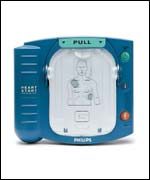
| | Thursday, 14 November, 2002, 03:05 GMT Home defibrillators on the way 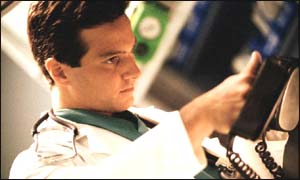 Shock pads could become common at home Heart defibrillators will become as common in the home as smoke alarms, manufacturers have predicted. The comments follow the decision by regulators in the United States to approve the first defibrillator designed to be used exclusively in the home. Philips Electronics, the makers, said the machinery could save thousands of lives each year.
The US Food and Drug Administration has approved HeartStart Home Defibrillator. The machine is expected to go on sale before the end of the year and will be available in US pharmacies early next year. Save lives The defibrillator aims to help people to jump-start the hearts of a collapsed loved one before paramedics arrive. However, under the rules individuals would have to obtain a prescription from a doctor before they could buy the defibrillator at an expected cost of around $2,000.
The machine comes with verbal instructions. It reminds users to take off the victim's shirt and then gives them directions on where to place the shocking pads on the chest. The device will detect if the person has a heartbeat - and will not shock if the patient doesn't need it. The FDA spent months working with Philips to rewrite instructions for the at-home defibrillator so that they are even easier to understand than models used in airports, for instance. There have been reports in the past suggesting that misuse of defibrillators was costing lives. Studies have shown that doctors and members of the public do not know where to place the shock pads. This, they suggested, could be causing some people to die and could also be leading to unnecessary suffering for many people. Examine research The UK charity the British Heart Foundation said it would need to analyse the data before suggesting people should buy defibrillators for the home. Katharine Peel, its head of emergency life support, said: "At present, it is not BHF policy to promote the placement of defibrillators in the home. "We are, however, actively supporting the placement of defibrillators in the community in carefully chosen locations where they will save the most lives. "Our priority is, therefore, to train the public in emergency life support skills and equip community responders with defibrillators and train them in their use. "We will follow carefully the results in the US of the new availability of defibrillators designed specifically for home use." | | See also:  06 Sep 02 | Health 08 Jun 01 | Health 16 Apr 00 | Health Internet links: The BBC is not responsible for the content of external internet sites Top Health stories now: Links to more Health stories are at the foot of the page. | |||||||||||||||||||||||||||||||||||||||||||||||||||||||||||||||||||||||||||||||||||||||||||||||||||||||||||||||||||||||||||||||||||||||||
| |
|  E-mail this story to a friend E-mail this story to a friend |
| |
| Links to more Health stories |
| | | ||
 | ||||
 | | Back to top
| ||
| ---------------------------------------------------------------------------------- To BBC Sport>> | To BBC Weather>> | To BBC World Service>> ---------------------------------------------------------------------------------- © MMIII | News Sources | Privacy |