|
 |
 | | | | | | |||||||||||||||||||||||||||||||||||||||||||||||||||||||||||||||||||||||||||||||||||||||||||||||||||||||||||||||||||||||||||||||||||||||||||||||||||||||||||||||||||||||||||||||||||||||||||||||||||||||||
| | | You are in: Health | |||||||||||||||||||||||||||||||||||||||||||||||||||||||||||||||||||||||||||||||||||||||||||||||||||||||||||||||||||||||||||||||||||||||||||||||||||||||||||||||||||||||||||||||||||||||||||||||||||||||||||
|
| | Tuesday, 5 November, 2002, 10:54 GMT Northerners 'are heaviest drinkers' 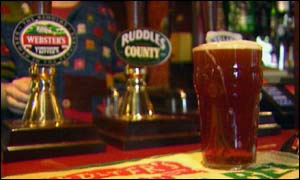 Cultural differences are blamed for the variations People living in the north of England are the country's heaviest drinkers, a report suggests. Figures published by the charity Alcohol Concern show northerners are most likely to drink more than they should each week. They are also more likely to binge drink compared to people living in the south. The report comes as a second study suggests alcohol is a bigger problem than drugs in British nightclubs and is responsible for most hospital admissions among clubbers.
Alcohol Concern's report, entitled State of the Nation and published ahead of the charity's annual meeting, shows people in Merseyside drink most each week. Some 46% of men and 28% of women there exceed the recommended alcohol intake each week. On average men are about one third more likely to drink too much every week compared to women. The report also found that one in five 11 to 16-year-olds now drink alcohol at least once a week. Binge drinkers It also paints a worrying pattern of binge drinking across England, with men twice as likely to drink excessively compared to women. Binge drinking, which involves drinking at least twice the recommended daily level in one session, is most common in the north east. Some 25% of men and 13% of women there regularly binge drink.
The report also suggests that one in four people have experienced problems as a result of their drinking. These include losing their memory, injuring themselves or others or missing work. One in 13 people are dependent on alcohol and almost one million children live with parents who misuse alcohol. Scattered services
Alcohol Concern said the regional variations reflect cultural differences and also the fact that beer and other drinks are often cheaper in the north. It said the findings should be used to address a postcode lottery in alcohol counselling and treatment services across England. According to the charity, a large proportion of treatment centres are based in London and the south east with the remainder scattered around the country. Eric Appleby, Alcohol Concern's chief executive, said this variation highlighted the need for effective alcohol strategies. The government is committed to publishing a National Alcohol Strategy by 2004. A consultation document which will inform that strategy was published in October. Mr Appleby said there was a need for coordinated action at a national level. "Currently several government departments have responsibility for different aspects of alcohol problems while at local level alcohol services often don't know where next year's funding is coming from. "Only when we have an effective strategy in place will issues such as this be properly addressed." He added that the strategy should aim to tackle the causes of alcohol misuse. "We have a history in this country of dealing with the symptoms of alcohol misuse rather than the root causes." Alcohol threat Meanwhile, a study published in the journal Emergency Medicine suggests alcohol is a bigger threat to clubbers than drugs. A survey of people who went clubbing in Liverpool and who subsequently needed hospital treatment found alcohol was to blame in most cases. The authors called for clubs to take precautions to protect customers, such as installing shatter proof glass, preventing overcrowding, improving first aid and stopping cheap drink promotions. Study author Dr Chris Luke of Cork University Hospital in Ireland said: "For every drug problem [treated in hospital] there are five or 10 alcohol problems." | |
See also:  05 Nov 02 | England 04 Nov 02 | Politics 16 Apr 02 | Health 08 Apr 02 | Health 14 Aug 00 | Health Internet links: The BBC is not responsible for the content of external internet sites Top Health stories now: Links to more Health stories are at the foot of the page. | |||||||||||||||||||||||||||||||||||||||||||||||||||||||||||||||||||||||||||||||||||||||||||||||||||||||||||||||||||||||||||||||||||||||||||||||||||||||||||||||||||||||||||||||||||||||||||||||||||||||||
| |
|  E-mail this story to a friend E-mail this story to a friend |
| |
| Links to more Health stories |
| | | ||
 | ||||
 | | Back to top
| ||
| ---------------------------------------------------------------------------------- To BBC Sport>> | To BBC Weather>> | To BBC World Service>> ---------------------------------------------------------------------------------- © MMIII | News Sources | Privacy |








 TALKING POINT
 Alcohol abuse