
|
 |
 | | | | | | ||||||||||||||||||||||||||||||||||||||||||||||||||||||||||||||||||||||||||||||||||||||||||||||||||||||||||||||||||||||||||||||||||||||||
| | | You are in: Health | ||||||||||||||||||||||||||||||||||||||||||||||||||||||||||||||||||||||||||||||||||||||||||||||||||||||||||||||||||||||||||||||||||||||||||
|
| | Tuesday, 5 November, 2002, 02:22 GMT Vaccine 'starves cancer cells' 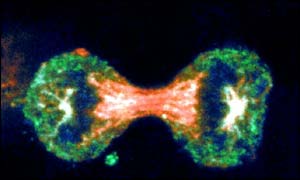 The technique could kill cancer cells Scientists believe they are close to developing an effective vaccine against cancer. Researchers in the United States say they have found a way to kill cancer tumours by starving them of vital nutrients. The vaccine has so far only been used in the laboratory but there are hopes it could soon be used in humans.
The vaccine, developed at The Scripps Research Institute in California, targets the cells around cancer tumours rather than the tumour itself. In the past, scientists have tried to target tumours. However, in most cases, the cells simply mutate and become resistant to treatment. Professor Ralph Reisfled and Dr Andreas Niethammer have instead tried to stop the tumour in its tracks by depriving it of the blood and oxygen it needs to grow. DNA used Their vaccine targets the cells around the tumours which form blood vessels. This prevents the cancerous cells receiving the nutrients they need causing them to die. Laboratory tests show that the vaccine, which uses DNA to help the body to identify and attack these cells, is effective. The scientists said further study was needed before the vaccine could be used on humans. Novel therapies hope But Dr Niethammer said the success of their study could help in the development of other treatments. "We hope that these studies established a proof of concept that may eventually contribute to the development of novel cancer therapies," he said. Dr Christian Ottensmeier, a senior clinical fellow at Cancer Research UK, welcomed the study. However, he warned that it was unclear whether the procedure would prevent the body from healing itself if it was unable to repair or regrow blood vessels. "It must be a concern if you deliver permanent immunity against the production of blood vessels that this will mean the body will not be able to repair itself after an accident, for example," he told BBC News Online. "Ideally, what you want to do is to prevent the blood vessels from providing nutrients to the tumour in first instance but then for blood vessels to be able to regrow in other instances." The study is published in the journal Nature Medicine. | | See also:  22 Oct 01 | Health 24 Jun 01 | Health 08 Jan 01 | Health Internet links: The BBC is not responsible for the content of external internet sites Top Health stories now: Links to more Health stories are at the foot of the page. | ||||||||||||||||||||||||||||||||||||||||||||||||||||||||||||||||||||||||||||||||||||||||||||||||||||||||||||||||||||||||||||||||||||||||
| |
|  E-mail this story to a friend E-mail this story to a friend |
| |
| Links to more Health stories |
| | | ||
 | ||||
 | | Back to top
| ||
| ---------------------------------------------------------------------------------- To BBC Sport>> | To BBC Weather>> | To BBC World Service>> ---------------------------------------------------------------------------------- © MMIII | News Sources | Privacy |





