|
 |
 | | | | | | |||||||||||||||||||||||||||||||||||||||||||||||||||||||||||||||||||||||||||||||||||||||||||||||||||||||||||||||||||||||||||||||||||||||||||||||||||||||||||||||||||||||||||||||||||
| | | You are in: Health | |||||||||||||||||||||||||||||||||||||||||||||||||||||||||||||||||||||||||||||||||||||||||||||||||||||||||||||||||||||||||||||||||||||||||||||||||||||||||||||||||||||||||||||||||||||
|
| | Wednesday, 30 October, 2002, 15:33 GMT Top health risks identified 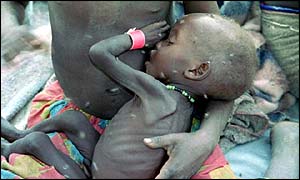 Poor nutrition is a particular problem in Africa Concerted international action to tackle the major health risks in each region of the world could increase average life expectancy across the planet by up to 10 years, say experts. A report by the World Health Organization has identified the top 10 preventable risks to health world-wide.
The report also quantifies their impact in each region, and provides examples of cost-effective way to reduce the risk. Dr Gro Harlem Brundtland, WHO director general, said: "This report provides a road map for how societies can tackle a wide range of preventable conditions that are killing millions of people prematurely and robbing tens of millions of healthy life. "WHO will take this report and focus on the interventions that would work best in each region and on getting the information out to member countries." Shocking differences WHO calls the contrast between rich and poor people "shocking."
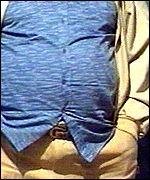
For instance, 170m children in poor countries are underweight, mainly from lack of food. Poor nutrition is estimated to have caused 3.4m deaths in 2000, of which 1.8m were in Africa alone. Under-nutrition was a contributing factor in more than half of all child deaths in developing countries. In contrast, obesity is becoming a global problem - estimated to affect more than one billion adults world-wide. Approximately 500,000 people in North America and Western Europe die from obesity-related diseases every year. Tobacco already kills 5m people a year, and the WHO predicts that unless action is taken this will soar to 9m a year by 2020. Life expectancy
Even in the richer countries, such as Europe, the United States, Australia, New Zealand and Japan, healthy life spans would increase by about five years. Dr Christopher Murray, who took lead responsibility for the report, said: "Globally, we need to achieve a much better balance between preventing disease and merely treating its consequences. "This can only come about with concerted action to identify and reduce major risks to health." The WHO makes specific suggestions on how to combat each threat. For instance, for blood pressure and cholesterol problems, countries should promote practices such as reducing salt in processed foods, cutting dietary fat, encouraging exercise, reducing smoking and eating more fruit and vegetables. | |
See also:  30 May 01 | In Depth 20 Dec 01 | Health 09 Jan 01 | Health 03 Oct 02 | Health 20 Jul 01 | Health Internet links: The BBC is not responsible for the content of external internet sites Top Health stories now: Links to more Health stories are at the foot of the page. | |||||||||||||||||||||||||||||||||||||||||||||||||||||||||||||||||||||||||||||||||||||||||||||||||||||||||||||||||||||||||||||||||||||||||||||||||||||||||||||||||||||||||||||||||||
| |
|  E-mail this story to a friend E-mail this story to a friend |
| |
| Links to more Health stories |
| | | ||
 | ||||
 | | Back to top
| ||
| ---------------------------------------------------------------------------------- To BBC Sport>> | To BBC Weather>> | To BBC World Service>> ---------------------------------------------------------------------------------- © MMIII | News Sources | Privacy |