|
 |
 | | | | | | |||||||||||||||||||||||||||||||||||||||||||||||||||||||||||||||||||||||||||||||||||||||||||||||||||||||||||||||||||||||||||||||||||||||||||||||||||
| | | You are in: Health | |||||||||||||||||||||||||||||||||||||||||||||||||||||||||||||||||||||||||||||||||||||||||||||||||||||||||||||||||||||||||||||||||||||||||||||||||||||
|
| | Saturday, 26 October, 2002, 01:01 GMT 02:01 UK Poor injury care 'puts lives at risk' 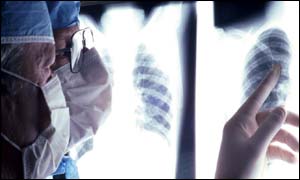 Surgeons want trauma services to be centralised
Martin Bircher is one of the UK's leading trauma surgeons. He carries out life-saving operations on people with severe injuries. This week, he revealed that managers at St George's Hospital in south London ordered him to scale back this vital work and to help the trust to cut waiting lists instead. That instruction was ridiculed by his medical colleagues and by politicians. The Department of Health pledged to investigate, saying it should never have been allowed to happen.
It is, say some surgeons, symptomatic of the failure of the NHS to come to grips with the needs of patients who have suffered severe injuries. Needless deaths Recent figures suggest that one in three people who are admitted to hospital with major injuries from road traffic accidents and other incidents die needlessly. Government figures show that 40,537 people were killed or seriously injured in road traffic accidents alone in 2001. In many of these cases say doctors, their lives could have been saved if they had been treated in the right hospital by the right doctors. Most are not. Instead, they are ferried to the nearest hospital, which often lacks the medical equipment and expertise to save them from disability or death. Two years ago, the Royal College of Surgeons of England and the British Orthopaedic Association published a report calling for a major overhaul of trauma services across the UK.
This would involve centralising services in perhaps 30 major hospitals across the UK. Each of these hospitals would have access to the full range of specialist skills needed to treat victims of serious accidents, who often have major fracture, internal bleeding and brain injuries. The proposal was nothing new. Many European countries had taken such steps years previously. It had also been put forward by the independent watchdog the Audit Commission in 1996 and in other reports published in the 1980s. This month, the original working party which drew up the report reconvened to review progress over the past two years. No progress The group is planning to publish its findings next year but, in truth, its conclusions could be announced now. "We have got nowhere," says Mr Hugh Phillips, the original chairman of the working party and director of standards at the Royal College of Surgeons of England. "I took our report to the government's chief medical officer, to the National Institute for Clinical Excellence, to the Commission for Health Improvement and to the then health minister Gisela Stuart. "I was told it was not a government priority." Many of the current problems stem from the fact that there is no national policy on trauma services. Trauma units are scattered in cities and towns across the UK. They have varying degrees of expertise and also have varying death rates.
As a result, patients are now transferred between trusts sometimes over great distances in search of adequate medical facilities. The current system works on an ad-hoc and informal basis. It is also caught up in the complicated world of NHS funding. In many hospitals, trauma units are funded by local primary care trusts even though patients often come in from outside their catchment areas. This can often cause problems. As a result, it is liable to fall apart when trusts come under pressure as in the case of St George's Hospital in south London, where managers are eager to meet government targets on waiting lists. Surgeons believe that unless trauma services become a priority for the government the situation and survival rates presumably will not improve. "This really requires a government overview," says Alastair Wilson, president of the British Trauma Society and a consultant in emergency medicine at the Royal London Hospital. "It requires an objective decision by people who are not part of a trust." Government action Experts believe that the establishment of a National Trauma Service will require a dramatic shift in government thinking. "It is now widely accepted that if you have a major burn you need to go to a burns unit," says Professor David Yates, director of the UK Trauma Audit and Research Centre at the University of Manchester. "Similarly, if you have a major injury you need to go a special unit. But there doesn't seem to be recognition of that. "Studies have shown that if you send patients to centres where they deal with more than a handful of major trauma surgery cases a year you will get better outcomes." The Bircher case has certainly caught the attention of officials in the Department of Health. There is a hope - albeit a slender one - that the incident will also focus minds on overhauling trauma services across the UK. "Mr Bircher's experience is symptomatic of the whole situation," adds Mr Phillips. "Trusts are under all sorts of constraints and pressure from the government to fulfill NHS targets. There is also a lack of capacity in virtually every hospital. This really needs government action." The Department of Health for its part, however, suggests that problems should be addressed locally. "Services should be focused and should be delivered by dedicated teams," a spokesman said. "This is something that needs to decided between NHS trusts and primary care trusts." The department supports national and regional planning of trauma services but as far as it is concerned that too is a matter for trusts. Perhaps ministers are waiting for the 2003 report from the Royal College of Surgeons of England and the British Orthopaedic Association. Mr Phillips suggests they shouldn't bother. "Our position hasn't really changed," he says. | | See also:  22 Oct 02 | Health 22 Oct 02 | Health 16 May 02 | Health Internet links: The BBC is not responsible for the content of external internet sites Top Health stories now: Links to more Health stories are at the foot of the page. | |||||||||||||||||||||||||||||||||||||||||||||||||||||||||||||||||||||||||||||||||||||||||||||||||||||||||||||||||||||||||||||||||||||||||||||||||||
| |
|  E-mail this story to a friend E-mail this story to a friend |
| |
| Links to more Health stories |
| | | ||
 | ||||
 | | Back to top
| ||
| ---------------------------------------------------------------------------------- To BBC Sport>> | To BBC Weather>> | To BBC World Service>> ---------------------------------------------------------------------------------- © MMIII | News Sources | Privacy |