
|
 |
 | | | | | | ||||||||||||||||||||||||||||||||||||||||||||||||||||||||||||||||||||||||||||||||||||||||||||||||||||||||||||||||||||||||||||||||||||||||
| | | You are in: Health | ||||||||||||||||||||||||||||||||||||||||||||||||||||||||||||||||||||||||||||||||||||||||||||||||||||||||||||||||||||||||||||||||||||||||||
|
| | Wednesday, 23 October, 2002, 14:21 GMT 15:21 UK Asylum seekers 'get sicker in UK' 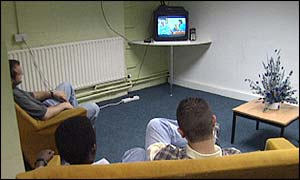 Asylum seekers' health 'must be safeguarded' Doctors say not enough is being done to look after the health of asylum seekers. The British Medical Association warns their health can actually get worse after they arrive in the UK. A report from the BMA's Board of Science and Education is demanding the government invests funding and develops policies to safeguard asylum seekers' health. The BMA hopes its report will influence how the Nationality, Immigration and Asylum Bill is implemented. Asylum seekers may be suffering from diseases such as tuberculosis, hepatitis or HIV/Aids.
The BMA says asylum seekers face a number of basic problems including a lack of translation services, in particular in the area of mental health. There are also problems with documents, such as exemption from charges forms, which are only available in English and Welsh, and with continuity of care. Torture The BMA says more needs to be done at the point when asylum seekers arrive in the UK. It says tests for tuberculosis do not always take place, meaning the condition goes undiagnosed. In addition, it warns those who are suffering from psychological affects of torture are not always referred to specialist centres. Unaccompanied children are not always given appropriate vaccinations and immunisations, the BMA said. The report recommends:
| | See also:  28 Jul 02 | UK 07 Jun 01 | Health 06 May 01 | Health 05 Apr 00 | Health 08 Nov 99 | Health Internet links: The BBC is not responsible for the content of external internet sites Top Health stories now: Links to more Health stories are at the foot of the page. | ||||||||||||||||||||||||||||||||||||||||||||||||||||||||||||||||||||||||||||||||||||||||||||||||||||||||||||||||||||||||||||||||||||||||
| |
|  E-mail this story to a friend E-mail this story to a friend |
| |
| Links to more Health stories |
| | | ||
 | ||||
 | | Back to top
| ||
| ---------------------------------------------------------------------------------- To BBC Sport>> | To BBC Weather>> | To BBC World Service>> ---------------------------------------------------------------------------------- © MMIII | News Sources | Privacy |





