|
 |
 | | | | | | ||||||||||||||||||||||||||||||||||||||||||||||||||||||||||||||||||||||||||||||||||||||||||||||||||||||||||||||||||||||||||||||||||||||||||||||||||||
| | | You are in: Health | ||||||||||||||||||||||||||||||||||||||||||||||||||||||||||||||||||||||||||||||||||||||||||||||||||||||||||||||||||||||||||||||||||||||||||||||||||||||
|
| | Tuesday, 8 October, 2002, 08:53 GMT 09:53 UK Rainforest may hold key to new drugs 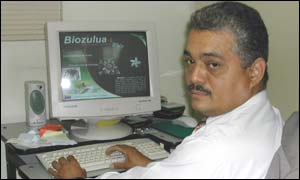 Dr Royero is overseeing the ambitious project
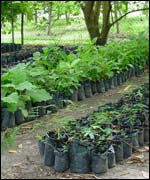
Scientists in Venezuela have started work on a major project collecting information on the traditional medicines of the Amazon rainforest. The Biozulua database, will be an electronic library of the jungle plants used by ethnic communities to cure people for centuries. The project aims to protect the traditional medical knowledge from being swamped by the impact of western civilization. But there are also hopes the database could eventually lead to the discovery of new drugs while also being a useful tool against bio piracy. "Only about 5% of plants in the Amazon have been studied properly. The potential benefits for the medical community are huge," said Dr Ramiro Royero, director general of the science foundation Fudeci in charge of running the project.
The information contained on it remains the intellectual property of the indigenous communities and the World Intellectual Property Organisation in Geneva is studying the project as a potential model. Interviews Researchers in Venezuela's southern Amazonas state conduct interviews with 24 indigenous communities and take photos and tape videos of people talking about traditional uses of various plants for the database. So far, it contains four million entries which can be searched by species, GPS-guided geographic location, ethnic group or ailment. Royero says indigenous groups are losing their traditional knowledge as younger generations move to the nearest towns and cities. He cites the example of a woman in a remote area of the rainforest who uses a natural herb remedy for her period pain. "Just further downriver the people used aspirins for that because it's easier to buy medicines than go into the forest to collect the plants. "In this way Biozulua can be used to reintroduce traditional knowledge to communities where it has been lost," he said.
The idea is for international pharmaceutical companies to go direct to the database instead of sending biologists out into the field to simply take away plants. "If a guy from Pfizer comes here and wants to search for a plant that people use in a drink to reduce fever we can show him. "That's so much easier than going into the jungle to pick his own plants," Royero said. Government help The government has set up a committee to investigate how companies would be able to access the information. Among the options being considered are direct payment, setting up joint ventures or sharing a percentage of sales of any marketed drug. "We're looking at creating a special contract that companies can use to access the information in exchange for helping the indigenous communities," Royero said. On the outskirts of Puerto Ayacucho, the capital of Venezuela's Amazonas state, indigenous leader Jose Gregorio Diaz Mirabal said this was a concern for the country's ethnic groups.
"At the moment bio trade is being promoted, marketing our knowledge of the jungle and the knowledge our elders have on how to cure diseases. "The debate is, does this belong to the state or to us? Our proposal is that as owners of the land, we have the right to be consulted first," he said. The government, which enshrined indigenous communities' rights to their land and culture in the 1999 constitution, says indigenous groups will benefit. "In the case of the indigenous communities, the central theme isn't money, it's the possibility of having sustainable development. "We're not talking about super highways nor large houses, but promoting their productive vocations and culture in an environment in which their life expectancy, access to education, is preserved," said Rudolf Romer, a deputy Science and Technology minister. | | See also:  16 Sep 99 | Sheffield 99 11 Nov 98 | Americas 25 Jun 01 | Science/Nature Internet links: The BBC is not responsible for the content of external internet sites Top Health stories now: Links to more Health stories are at the foot of the page. | ||||||||||||||||||||||||||||||||||||||||||||||||||||||||||||||||||||||||||||||||||||||||||||||||||||||||||||||||||||||||||||||||||||||||||||||||||||
| |
|  E-mail this story to a friend E-mail this story to a friend |
| |
| Links to more Health stories |
| | | ||
 | ||||
 | | Back to top
| ||
| ---------------------------------------------------------------------------------- To BBC Sport>> | To BBC Weather>> | To BBC World Service>> ---------------------------------------------------------------------------------- © MMIII | News Sources | Privacy |