
|
 |
 | | | | | | ||||||||||||||||||||||||||||||||||||||||||||||||||||||||||||||||||||||||||||||||||||||||||||||||||||||||||||||||||||||||||||||||||||||||||
| | | You are in: Health | ||||||||||||||||||||||||||||||||||||||||||||||||||||||||||||||||||||||||||||||||||||||||||||||||||||||||||||||||||||||||||||||||||||||||||||
|
| | Thursday, 3 October, 2002, 10:51 GMT 11:51 UK Revamp for women's mental health service 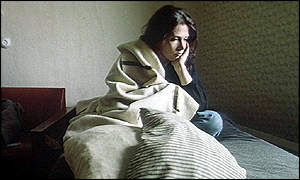 Services are not geared up for women Plans to improve mental health services for women have been unveiled by ministers. The strategy, which has been put out for public consultation, is part of the government's ongoing commitment to improving mental health services across the board.
Health Minister Jacqui Smith said: "There are often specific factors that can contribute to women suffering from mental ill health including poverty, child sexual abuse and domestic violence. "Mental ill health is common in both men and women but how it presents itself and the type does differ. "Currently there is a problem because much mental health care is not organised to deal with the different needs of women and men and women's needs are often poorly met." Ms Smith said the new strategy was designed to develop specific services for women. She said there were already good examples of how services have been reorganised to meet the needs of women.
The Department of Health has already made a commitment to remove mixed-sex accommodation in 95% of NHS Trusts by 2002 and for women-only community day services to be available in every health authority by 2004. The strategy provides guidance on what these community day services should look like. This includes providing female staff and maintaining strong links with primary care, community mental health teams and other voluntary and statutory organisations involved in the women's care. Positive response
Richard Brook, Mind's chief executive said: "Women-only day services would be incredibly important to many women who often use this type of support for years. "Women need to feel safe and free from any sexual harassment in community facilities as well as when they are in hospital. "One of the most important issues we will be raising during the consultation process is the need for tighter guidelines on mixed-sex wards in hospitals. "Despite the current targets for improvements and some changes, our recent survey found that female patients still reported sexual harassment, abuse and even rape on psychiatric wards." Majorie Wallace, chief executive of mental health charity SANE, held out little hope that the plans would have a significant impact. She said: "We might as well forget all the optimistic strategies proposed while there remains little chance that a woman suffering from depression, anxiety, or other mental illness will receive decent in-patient care when so many of our acute wards are squalid, overcrowded and rife with street drugs and aggression. "What we need are specialised units to give time, space and sanctuary to those who, because they may present no immediate risk to others, are left to cope at home - often alone and suicidal." | | See also:  12 Jun 02 | Health 15 Feb 99 | Health 16 Sep 02 | Health Internet links: The BBC is not responsible for the content of external internet sites Top Health stories now: Links to more Health stories are at the foot of the page. | ||||||||||||||||||||||||||||||||||||||||||||||||||||||||||||||||||||||||||||||||||||||||||||||||||||||||||||||||||||||||||||||||||||||||||
| |
|  E-mail this story to a friend E-mail this story to a friend |
| |
| Links to more Health stories |
| | | ||
 | ||||
 | | Back to top
| ||
| ---------------------------------------------------------------------------------- To BBC Sport>> | To BBC Weather>> | To BBC World Service>> ---------------------------------------------------------------------------------- © MMIII | News Sources | Privacy |





