
|
 |
 | | | | | | ||||||||||||||||||||||||||||||||||||||||||||||||||||||||||||||||||||||||||||||||||||||||||||||||||||||||||||||||||||||||||||||||||||||||
| | | You are in: Health | ||||||||||||||||||||||||||||||||||||||||||||||||||||||||||||||||||||||||||||||||||||||||||||||||||||||||||||||||||||||||||||||||||||||||||
|
| | Monday, 30 September, 2002, 23:06 GMT 00:06 UK Plant molecule holds tumour hope 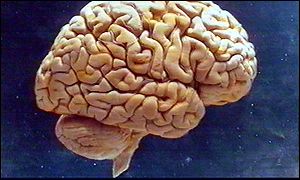 The molecule appears to inhibit tumour cells A plant molecule appears to halt the growth of brain cancer cells in laboratory tests - but doctors warn that patients must wait for any new drug. Unlike many other types of brain tumour, a malignant glioma is tough to treat because the fringes between healthy brain tissue and tumour is indistinct, preventing surgeons from cutting it out. It is usually tackled with radiotherapy and perhaps chemotherapy. However, scientists from Tokyo, in Japan, have found that the growth rate of cancer cells slows and almost stops when they inject it with a protein derived from a plant called the jimson weed. Their molecule, called DSA, even began making malignant cells appear more like normal cells. However, much more testing is needed before a human drug can be launched, even after these successful laboratory tests. Suspended development While normal brain cells do not grow and divide rapidly, brain tumour cells, say doctors, often seem to be suspended in an early stage of development. These "early" brain cells are much more inclined to divide and spread rapidly, creating the tumour tissue.
If these test-tube results could be reproduced in a real tumour - which is far from certain - it could stop an existing tumour from growing as rapidly, or perhaps even stop it growing altogether. A key factor supporting DSA is that the effects continue to be felt by the cells even after doctors stop giving more doses of the drug. This is because it has encouraged irrevocable changes in the cancer cells. Waiting game However, there is a world of difference between a drug tackling tumour cells in the laboratory, and getting the same drug throughout a real tumour - a mass of tissue and scar tissue. Dr Tasuku Sasaki, from the Tokyo Metropolitan Institute of Gerontology, said: "DSA controls glioma cells as a result of glial differentiation rather than actually killing cells. "Any drug based on this concept would help patients suffering with tumours that are difficult to remove such as gliomas." Professor John Double, head of the Cancer Research UK unit at Bradford University, said: "This is an exciting discovery but caution is needed as the work is only at the laboratory stage. "More needs to be done before we have enough evidence to commit to trials. "Potential treatment, based on DSA, for this form of brain cancer is still a long way off." Jimson weed, a white-flowered plant, also known as Thornapple, Stinkweed and Devil's Trumpet, is a native of Asia but grows abundantly in the United States. It is extremely toxic, causing a high temperature, blurred vision, confusion, euphoria, delirium and hallucinations. The weed, one of a group of plants called belladonnas, has been described throughout history. There are references to it in Homer's Odyssey and Shakespeare's plays Hamlet, Romeo and Juliet and Anthony and Cleopatra. | | See also:  21 May 01 | Health 31 Mar 99 | Health 31 Dec 01 | Health Internet links: The BBC is not responsible for the content of external internet sites Top Health stories now: Links to more Health stories are at the foot of the page. | ||||||||||||||||||||||||||||||||||||||||||||||||||||||||||||||||||||||||||||||||||||||||||||||||||||||||||||||||||||||||||||||||||||||||
| |
|  E-mail this story to a friend E-mail this story to a friend |
| |
| Links to more Health stories |
| | | ||
 | ||||
 | | Back to top
| ||
| ---------------------------------------------------------------------------------- To BBC Sport>> | To BBC Weather>> | To BBC World Service>> ---------------------------------------------------------------------------------- © MMIII | News Sources | Privacy |





