|
 |
 | | | | | | |||||||||||||||||||||||||||||||||||||||||||||||||||||||||||||||||||||||||||||||||||||||||||||||||||||||||||||||||||||||||||||||||||||||
| | | You are in: Health | |||||||||||||||||||||||||||||||||||||||||||||||||||||||||||||||||||||||||||||||||||||||||||||||||||||||||||||||||||||||||||||||||||||||||
|
| | Tuesday, 15 October, 2002, 11:30 GMT 12:30 UK Help 'too little and too late' for blind 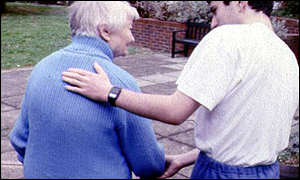 Elderly people can lose their independence Each day 100 people start to lose their sight, but help for many of them is too little and too late, according to researchers. A Royal National Institute of the Blind (RNIB) study "Changing the way we think about blindness", launched on Tuesday, studied over 1,000 adults with sight problems. It found that although public expectations of services to help the blind and partially sighted were high, in reality many people receive little help. One in five people who develop sight problems can wait more than a year for initial help and find themselves struggling alone without support services or the skills they need to cope with daily living. The report also found:
"This picture is unnecessarily bleak. People can and should be able to stay fully independent when they lose their sight.
"Clearly local services need an urgent injection of resource to cope with the growing numbers of older people with sight problems. "People should be getting mobility training and rehabilitation at an early stage so that their sight loss doesn't mean loss of independence." Mr Bruce said that eye sight problems needed to pushed higher up the agenda and given more resources to aid detection. | | See also:  11 Oct 02 | Health 27 Aug 02 | Wales 27 Aug 02 | UK 25 Aug 02 | Entertainment 10 Jul 02 | Health 28 Jun 02 | Health Top Health stories now: Links to more Health stories are at the foot of the page. | |||||||||||||||||||||||||||||||||||||||||||||||||||||||||||||||||||||||||||||||||||||||||||||||||||||||||||||||||||||||||||||||||||||||
| |
|  E-mail this story to a friend E-mail this story to a friend |
| |
| Links to more Health stories |
| | | ||
 | ||||
 | | Back to top
| ||
| ---------------------------------------------------------------------------------- To BBC Sport>> | To BBC Weather>> | To BBC World Service>> ---------------------------------------------------------------------------------- © MMIII | News Sources | Privacy |