
|
 |
 | | | | | | ||||||||||||||||||||||||||||||||||||||||||||||||||||||||||||||||||||||||||||||||||||||||||||||||||||||||||||||||||||||||||||||||||||||||
| | | You are in: Health | ||||||||||||||||||||||||||||||||||||||||||||||||||||||||||||||||||||||||||||||||||||||||||||||||||||||||||||||||||||||||||||||||||||||||||
|
| | Tuesday, 24 September, 2002, 00:09 GMT 01:09 UK Action urged over painful births 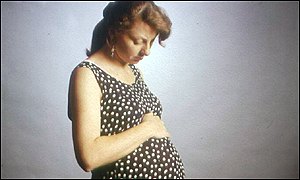 Giving birth upright is less painful Women are not being encouraged to move around during labour, even though it would make giving birth easier and less painful. The National Childbirth Trust said 40% of women are not advised to adopt a more comfortable upright position instead lying on their backs or sitting on their bottoms. Upright positions are used by women around the world, but in the West, women may not be encouraged to adopt them. The NCT warns the design of labour rooms, and the tradition that doctors carry out examinations with the woman lying down, do not help.
The NCT says standing up, sitting, or squatting to give birth reduces pain, shortens the length of the first stage of labour and results in fewer assisted births or caesareans. It adds that the effect of gravity means the angle of descent is easiest for mother and baby. Blood flow Research has also demonstrated women who adopt upright positions for labour have less need of an epidural and have less chance of developing an infection of the womb. If the woman is upright, the baby's head pushes on the cervix, aiding dilation. It also encourages better blood flow to both the baby and placenta, reducing the risk of foetal distress. Upright positions are also thought to maximise the space between the pelvic bones and allow the joints to flex slightly so the baby has more space to move. Belinda Phipps, chief executive of the NCT, said: "It seems crazy that so many women are having longer, more painful and more difficult labours than they need to - just because they aren't aware of the benefits of being active during birth. "Many women think that lying down is the usual way to give birth, but getting up and walking around is not only more comfortable, it can also shorten the length of labour." Anxiety But Dr Maggie Blott, a consultant obstetrician and gynaecologist at King's College Hospital, London, told BBC News Online: "There's no problem with moving around in labour. Women who are at low-risk are encouraged to do so. "But a lot of women do not get one-to-one care from a midwife. They get very anxious about the pain and choose to have an epidural - so they can't move around." She said women having their first baby were often very anxious. "Women need better support in labour, so they don't go for intervention." | | See also:  22 Mar 01 | Health 11 Sep 00 | Health 18 Jul 02 | Health 20 Jul 02 | Health 12 May 02 | Health Internet links: The BBC is not responsible for the content of external internet sites Top Health stories now: Links to more Health stories are at the foot of the page. | ||||||||||||||||||||||||||||||||||||||||||||||||||||||||||||||||||||||||||||||||||||||||||||||||||||||||||||||||||||||||||||||||||||||||
| |
|  E-mail this story to a friend E-mail this story to a friend |
| |
| Links to more Health stories |
| | | ||
 | ||||
 | | Back to top
| ||
| ---------------------------------------------------------------------------------- To BBC Sport>> | To BBC Weather>> | To BBC World Service>> ---------------------------------------------------------------------------------- © MMIII | News Sources | Privacy |





