
|
 |
 | | | | | | ||||||||||||||||||||||||||||||||||||||||||||||||||||||||||||||||||||||||||||||||||||||||||||||||||||||||||||||||||||||||||||||||||||||||
| | | You are in: Health | ||||||||||||||||||||||||||||||||||||||||||||||||||||||||||||||||||||||||||||||||||||||||||||||||||||||||||||||||||||||||||||||||||||||||||
|
| | Wednesday, 4 September, 2002, 07:38 GMT 08:38 UK Unit solves heart-stopping problem 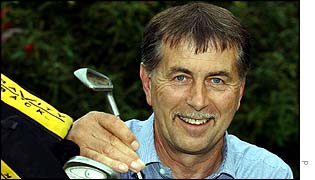 Allan Todd's heart stopped when his alarm sounded A man who "died" every time his doorbell rang has been helped by a unique unit which treats falls and faints. The unit, at the Royal Victoria Infirmary (RVI) in Newcastle upon Tyne, has been so successful at relieving pressure on the A&E that it has freed up the equivalent of a whole ward for a year and saved the NHS millions of pounds. Each year in the UK 35% of adults over 65 and 45% of adults over 80 have a least one fall, collapse or fainting fit. Ten per cent result in a bone fracture. Faints, collapses and falls account for 45% of elderly people attending hospital casualty units. Blackouts Allan Todd, 63, is one man who has been helped by the unit.
He could have up to seven in a day and they could last as long as five hours. The problems got worse as he got older. It got to the point where his three children had to tiptoe around the house to ensure he was not woken up suddenly - and the window cleaner was barred from coming before 8am. Heart rate A series of doctors failed to identify the cause of his problem. But when he had a fainting fit on holiday in Tenerife, doctors told him he needed a "tilt test", normally used to diagnose circulatory problems. His GP at home referred him to a heart specialist who in turn referred him to the faints and falls unit. There, he was wired up to monitors when he went to sleep. When he was awoken by an alarm, he fainted. Mr Todd, from Scalby near Scarborough, North Yorkshire, said the doctor told him: "There's good news and bad news. "The good news is that we know what's wrong with you, the bad news is you're extremely lucky to be alive." Mr Todd, whose heart stopped for up to 30 seconds at a time added: "It was just a matter of time before it stopped for good and I didn't come round. "They said they were going to operate straight away. 'After all you've been through, we don't want to lose you now', they said." It appears his heart works the opposite way to normal. Most people's heart rate goes up when they hear a sudden noise. Mr Todd's goes down. Unique unit Doctors at the unit, who say they have never seen a case like his, have now fitted Mr Todd with a pacemaker. He said: "I never realised it until I went to the RVI but I have been dying for years. "It was getting worse and I am certain I would not be here today if they had not sorted it out." The RVI unit, the only one of its kind in the UK, was set up in 1991 specifically to treat patients who had experienced faints and falls. Around 3,500 patients year each year attend the unit for tests on their nervous and cardiovascular system. Newcastle University has carried out a study of the unit's work, and found it has saved the RVI �2.5m.per year. Days saved In a study published in the journal Age and Ageing, researchers said the RVI treated 35% of patients who had collapsed or fainted as emergencies, compared to 97% at other UK hospitals. The RVI also used 6,616 fewer "bed days" than other UK hospitals in 1999 - and patients stayed for an average of 2.4 days there compared to 8.6 days at other hospitals. Rose Anne Kenny, professor of cardiovascular research at Newcastle University's Institute for Ageing and Health, who led the research, and who runs the day care unit, said: "Before the facility opened, many of these people were never fully investigated. "Now they are fully investigated, with tests on both their nervous system and their cardiovascular system. " She added: "This research also shows the enormous savings to acute hospital beds and has major implications for bed shortages which currently bedevil the health service." | | See also:  11 Nov 01 | Health 12 Feb 01 | Health 08 Jan 99 | Health 26 May 99 | Health 18 May 99 | Health Internet links: The BBC is not responsible for the content of external internet sites Top Health stories now: Links to more Health stories are at the foot of the page. | ||||||||||||||||||||||||||||||||||||||||||||||||||||||||||||||||||||||||||||||||||||||||||||||||||||||||||||||||||||||||||||||||||||||||
| |
|  E-mail this story to a friend E-mail this story to a friend |
| |
| Links to more Health stories |
| | | ||
 | ||||
 | | Back to top
| ||
| ---------------------------------------------------------------------------------- To BBC Sport>> | To BBC Weather>> | To BBC World Service>> ---------------------------------------------------------------------------------- © MMIII | News Sources | Privacy |





