
|
 |
 | | | | | | ||||||||||||||||||||||||||||||||||||||||||||||||||||||||||||||||||||||||||||||||||||||||||||||||||||||||||||||||||||||||||||||||||||||||||||||||||||||||||||||||||||||||||||||||||||||||
| | | You are in: Health | ||||||||||||||||||||||||||||||||||||||||||||||||||||||||||||||||||||||||||||||||||||||||||||||||||||||||||||||||||||||||||||||||||||||||||||||||||||||||||||||||||||||||||||||||||||||||||
|
| | Sunday, 1 September, 2002, 08:56 GMT 09:56 UK Quick action could save heart patients 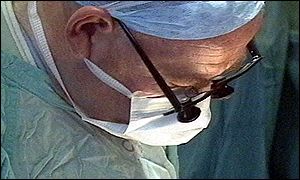 Surgery may save pain later Early treatment of patients identified as being at moderate risk of a heart attack could potentially save many lives or cardiac complications, a study suggests. Researchers found that early surgical intervention reduced the rate of severe angina among these patients by 50%.
It occurs when the heart muscle does not receive enough oxygen due to a narrowing of one of the arteries that supply blood to the heart. The study suggests it could be avoided in many cases if patients underwent surgical treatments soon after they were identified as being at a possible risk. Possible treatments include coronary artery bypass surgery, or balloon angioplasty, when a device is used to unclog blocked blood vessels. Controversial area Considerable debate surrounds the treatment of patients who show signs of being at risk of heart attack. Some experts favour a conservative "wait and see" policy over surgical intervention. According to international registries such as the Euro Heart Survey, only a quarter of patients with severe angina are referred for invasive surgery when they are first hospitalised. The British Heart Foundation Randomised Intervention Trial of unstable Angina (RITA) focused on 1,810 patients at moderate risk of heart attack. The patients were given surgical treatment at an early stage, or monitored for signs of deterioration before such treatment took place. Both groups received an anti-clotting drug. After four months, 9.6% of patients in the intervention group had died, had a heart attack, or had angina, compared with 14.5% of patients in "wait and see" group. The difference was mainly due to a halving of the angina rate in the intervention group. Dangers Lead researcher Professor Keith Fox, of the University of Edinburgh, said: "The hazards of intervention seem to be more than counterbalanced by the subsequent reduction in risk of heart attack." "Carrying out the procedure promptly also saves further pain and possible death for those who are currently placed under a 'watch and wait' regime." However, he said the study would not yield conclusive proof of the benefits of early intervention until a five year follow-up period had been completed. Angina is a huge problem in the UK, with an estimated 2.1m people who either have or have had the condition. The research is published on the online version of The Lancet medical journal. | |
See also:  20 Mar 01 | Health 19 Aug 02 | Health 30 Sep 99 | Health 02 Mar 02 | Health 23 Jun 00 | G-I Internet links: The BBC is not responsible for the content of external internet sites Top Health stories now: Links to more Health stories are at the foot of the page. | ||||||||||||||||||||||||||||||||||||||||||||||||||||||||||||||||||||||||||||||||||||||||||||||||||||||||||||||||||||||||||||||||||||||||||||||||||||||||||||||||||||||||||||||||||||||||
| |
|  E-mail this story to a friend E-mail this story to a friend |
| |
| Links to more Health stories |
| | | ||
 | ||||
 | | Back to top
| ||
| ---------------------------------------------------------------------------------- To BBC Sport>> | To BBC Weather>> | To BBC World Service>> ---------------------------------------------------------------------------------- © MMIII | News Sources | Privacy |






