
|
 |
 | | | | | | ||||||||||||||||||||||||||||||||||||||||||||||||||||||||||||||||||||||||||||||||||||||||||||||||||||||||||||||||||||||||||||||||||||||||
| | | You are in: Health | ||||||||||||||||||||||||||||||||||||||||||||||||||||||||||||||||||||||||||||||||||||||||||||||||||||||||||||||||||||||||||||||||||||||||||
|
| | Sunday, 1 September, 2002, 23:04 GMT 00:04 UK Handwashing could save millions 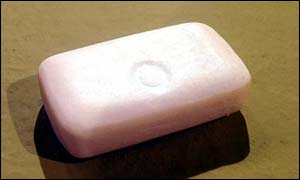 Using soap can cut infection A campaign to promote handwashing with soap in developing countries aims to help save a million lives a year. The initiative will be launched at the World Summit on Sustainable Development in Johannesburg on Monday.
Diarrhoeal diseases kill 200 children an hour - more than either Aids or malaria. While most households in the world have soap and water, very few use them together to wash their hands, especially not after cleaning up a dirty baby or going to the toilet. Researchers from the London school will join forces with the representatives from the World Bank and the Water Sanitation Programme to launch the campaign. They want soap companies and governments to work together to promote handwashing. Success Such partnerships have already had significant success in Central America, and are now being launched in Ghana and India. Dr Val Curtis, of the London School said: "Handwashing with soap is a bit like a do-it-yourself vaccine. "It should be adopted across the world, just as vaccines are, if we are to achieve our goal of halving deaths from diarrhoea." Dr Curtis said successful implementation of the campaign could increase sales of soap in developing countries by 50%. Jennifer Sara, a sector specialist at the World Bank, said: "The public sector, has everything to gain from reducing the public health burden presented by diarrhoeal disease and has access to a huge network of potential outlets such as health centres and clinics, community nurses, midwives and health visitors." | | See also:  31 Jul 01 | Health 11 Jun 01 | Health 01 Aug 02 | Health Internet links: The BBC is not responsible for the content of external internet sites Top Health stories now: Links to more Health stories are at the foot of the page. | ||||||||||||||||||||||||||||||||||||||||||||||||||||||||||||||||||||||||||||||||||||||||||||||||||||||||||||||||||||||||||||||||||||||||
| |
|  E-mail this story to a friend E-mail this story to a friend |
| |
| Links to more Health stories |
| | | ||
 | ||||
 | | Back to top
| ||
| ---------------------------------------------------------------------------------- To BBC Sport>> | To BBC Weather>> | To BBC World Service>> ---------------------------------------------------------------------------------- © MMIII | News Sources | Privacy |





