
|
 |
 | | | | | | ||||||||||||||||||||||||||||||||||||||||||||||||||||||||||||||||||||||||||||||||||||||||||||||||||||||||||||||||||||||||||||||||||||||||||||||||||||||||||||||||||||||||
| | | You are in: Health | ||||||||||||||||||||||||||||||||||||||||||||||||||||||||||||||||||||||||||||||||||||||||||||||||||||||||||||||||||||||||||||||||||||||||||||||||||||||||||||||||||||||||||
|
| | Thursday, 29 August, 2002, 11:59 GMT 12:59 UK Organ trade GP case to continue 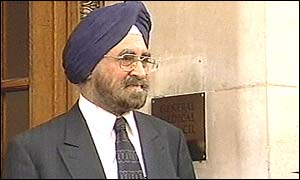 Dr Bhagat Makkar worked as a GP in London The General Medical Council has rejected attempts by the GP accused of trading in human organs to have the case thrown out. Dr Bhagat Singh Makkar, 62, from south London, is alleged to have told an undercover journalist that he could obtain a kidney for the man's father in exchange for a fee. He denies the charges. The retired doctor's lawyers had urged members of the GMC's professional conduct committee that tape recordings of conversations between Dr Makkar and the journalist should not be allowed to be used as evidence in the case.
Transcripts of the tapes, which were partly in Punjabi, show Dr Makkar did not actually agree to the transaction. However, he makes it clear he is aware of how the procedure might take place and that he knows a hospital in India where it might happen. 'Pitiful' quality But speaking earlier on Thursday Charles Foster, defending the GP, said his client was a victim of entrapment by the journalists. He also criticised the tape recordings saying they were of "pitiful" quality. He said they should not be permitted to be used as evidence against Dr Makkar. "The sole motivation of the journalists was to fill their columns," Mr Foster said. "They clearly had their own agenda." He told the committee that some of the allegations were based on nuances in the conversation between Dr Makkar and the journalist. However, the committee ruled that the recordings could be used. It said that The Sunday Times had reasonably considered there was no other way to gather information other than by subterfuge. The panel said the evidence, being admissible, would not result in any unfairness to proceedings. The journalist who taped the conversations, Paul Samrai told the GMC hearing on Wednesday that the GP had been "very helpful and very willing to assist in the arrangement". Mr Samrai told the GMC he had been given Dr Makkar's details by a hospital in Jalandhar, northern India, which allegedly carried out live donor transplants. In the tape of the meeting at the surgery, Dr Makkar is asked if he can arrange a kidney transplant, and replies with the words: "Yeah. I can get it done." Dr Makkar, who worked as a GP in Lewisham was suspended from the medical register last December as the GMC pursued its enquiries. The doctor will have the opportunity to contest the allegations that he took part in, or at least encouraged the trade in human organs during the three day hearing. The sale of organs was banned in the UK under the 1989 Human Organs Transplant Act. The case continues. | |
See also:  28 Aug 02 | Health 07 Jun 02 | Health Internet links: The BBC is not responsible for the content of external internet sites Top Health stories now: Links to more Health stories are at the foot of the page. | ||||||||||||||||||||||||||||||||||||||||||||||||||||||||||||||||||||||||||||||||||||||||||||||||||||||||||||||||||||||||||||||||||||||||||||||||||||||||||||||||||||||||
| |
|  E-mail this story to a friend E-mail this story to a friend |
| |
| Links to more Health stories |
| | | ||
 | ||||
 | | Back to top
| ||
| ---------------------------------------------------------------------------------- To BBC Sport>> | To BBC Weather>> | To BBC World Service>> ---------------------------------------------------------------------------------- © MMIII | News Sources | Privacy |






