
|
 |
 | | | | | | ||||||||||||||||||||||||||||||||||||||||||||||||||||||||||||||||||||||||||||||||||||||||||||||||||||||||||||||||||||||||||||||||||||||
| | | You are in: Health | ||||||||||||||||||||||||||||||||||||||||||||||||||||||||||||||||||||||||||||||||||||||||||||||||||||||||||||||||||||||||||||||||||||||||
|
| | Thursday, 8 August, 2002, 23:05 GMT 00:05 UK Marrow could prevent amputations 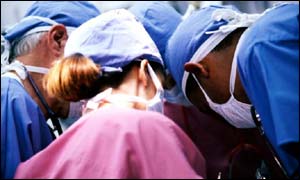 The advance may prevent some amputations A treatment involving bone marrow could help patients with damaged blood vessels in their legs avoid having them amputated. Doctors have found that, when injected into muscle, certain types of bone marrow cells actually encourage the growth of fresh blood vessels, easing the problem. Many thousands of patients in the UK suffer from this kind of peripheral blood vessel disease, called lower limb ischaemia. Just as in heart disease, the arteries supplying the organ have narrowed, the same process is happening in blood vessels in the lower legs, cutting off a proper supply to the extremities. Diabetic disease As a result, tissue damage can occur in toes and feet and any wounds or bruises can turn into non-healing ulcers. This is a particular problem in diabetics, many of whom suffer such complications, especially if their disease is poorly controlled. Doctors try to alleviate the problem with anti-clotting drugs and operations to graft new veins onto the affected areas to increase blood supply, but there are some patients who cannot be helped by these methods. In severe cases, the poor blood supply can mean that amputation is the only option. The latest research, carried out by a team at Kansai Medical School in Osaka, Japan, used bone marrow taken from the patient themselves. One-legged trial Particular types of cells, called mononuclear cells, were extracted from this and injected into the legs of patients. To see whether they had an affect, where the patient had two bad legs, only one was treated with the cells, whereas the other was given "treatment" with saline solution. Four weeks after the procedure, 37 out of the 45 had their pain reduced or even relieved completely. However, 15 out of 20 of them were able to subsequently avoid the amputation of a toe - which had been scheduled prior to the treatment. Leg ulcers improved in six out of 10 patients. The benefits appears to persist, even six months later. Hopes for future It is thought the arrival of the bone marrow cells encourages the development of new blood vessels, a process called angiogenesis. Mr David Berridge, a consultant vascular surgeon from St James' University Hospital in Leeds, told BBC News Online that while the procedure - and others which used growth factors to boost blood vessel growth - held promise for the future, it would be some time before they could become standard practice. He said: "There could be a small group of patients who we cannot help with conventional treatments who might benefit - if it works." The research is detailed in The Lancet medical journal. | | See also:  13 Mar 02 | Health 17 Jul 02 | Health 15 Jul 02 | Health Internet links: The BBC is not responsible for the content of external internet sites Top Health stories now: Links to more Health stories are at the foot of the page. | ||||||||||||||||||||||||||||||||||||||||||||||||||||||||||||||||||||||||||||||||||||||||||||||||||||||||||||||||||||||||||||||||||||||
| |
|  E-mail this story to a friend E-mail this story to a friend |
| |
| Links to more Health stories |
| | | ||
 | ||||
 | | Back to top
| ||
| ---------------------------------------------------------------------------------- To BBC Sport>> | To BBC Weather>> | To BBC World Service>> ---------------------------------------------------------------------------------- © MMIII | News Sources | Privacy |



