
|
 |
 | | | | | | ||||||||||||||||||||||||||||||||||||||||||||||||||||||||||||||||||||||||||||||||||||||||||||||||||||||||||||||||||||||||||||||||||||||||||||||||||||||||||||||||||||||||||
| | | You are in: Health | ||||||||||||||||||||||||||||||||||||||||||||||||||||||||||||||||||||||||||||||||||||||||||||||||||||||||||||||||||||||||||||||||||||||||||||||||||||||||||||||||||||||||||||
|
| | Thursday, 8 August, 2002, 06:16 GMT 07:16 UK Drivers 'at risk' of blood clots 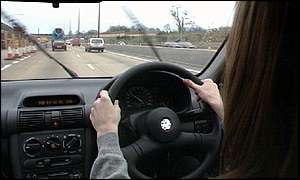 DVT can develop even in healthy young people Drivers as well as air passengers could be at risk from deep vein thrombosis (DVT) on long trips, the RAC Foundation has warned. The condition has become associated with air travel, where passengers tend to sit immobile for long periods of time. But the foundation says the phenomenon could affect anyone seated in the confined space for long periods, including the car.
The report found 70% of travellers at risk of DVT, and who had made recent journeys, had actually travelled by car - a much higher proportion than those who had used a train or plane. RAC Foundation executive director Edmund King said: "It is, as yet, uncertain whether DVT poses a threat to everyone travelling or immobile for more than four hours or whether travelling for long period can trigger DVT in those who are medically or genetically predisposed to blood clots. Take exercise "In either case, however, people making long journeys by car this summer might be wise to take some sensible, precautionary measures, such as taking breaks and drinking plenty of water. "These are also actions which can help drivers to avoid fatigue.
"For anyone in the 'at risk' category, it is even more important to heed this advice." Mr King suggested drivers take a break "at least" every two hours to walk around, to drink water and to rotate their feet. "Quite often it (DVT) will develop a while after the journey," he said. A consultant at Addenbrooke's Hospital in Cambridge has also recently cited the case of a six-foot student who developed DVT after travelling between Leicester and Aberdeen in a friend's Mini. Dr Marcus Flather, a consultant cardiologist at the Royal Brompton Hospital, West London, said: "One or two cases do not make an epidemic. "But having said that there are so many people driving, and they are probably driving longer distances, that I think we do need to take it seriously." DVT refers to the formation of a blood clot within a deep vein, usually in the thigh or calf. The blood clot can either partially or completely block the flow of blood in the vein. It is a significant problem following surgery. Life-threatening The most common serious complication of DVT is a pulmonary embolism, where a blood clot breaks free from a vein wall, travels to the lung and blocks an artery. A pulmonary embolism can be life-threatening and needs immediate medical attention DVT is more common in the elderly, the very overweight and people with heart disease. However, healthy young people can develop it as well. | |
See also:  28 Jul 02 | Health 04 Jan 02 | Health 30 Oct 01 | Health 27 Jul 02 | Health 11 Jun 02 | Health Internet links: The BBC is not responsible for the content of external internet sites Top Health stories now: Links to more Health stories are at the foot of the page. | ||||||||||||||||||||||||||||||||||||||||||||||||||||||||||||||||||||||||||||||||||||||||||||||||||||||||||||||||||||||||||||||||||||||||||||||||||||||||||||||||||||||||||
| |
|  E-mail this story to a friend E-mail this story to a friend |
| |
| Links to more Health stories |
| | | ||
 | ||||
 | | Back to top
| ||
| ---------------------------------------------------------------------------------- To BBC Sport>> | To BBC Weather>> | To BBC World Service>> ---------------------------------------------------------------------------------- © MMIII | News Sources | Privacy |






