
|
 |
 | | | | | | ||||||||||||||||||||||||||||||||||||||||||||||||||||||||||||||||||||||||||||||||||||||||||||||||||||||||||||||||||||||||||||||||||||||||
| | | You are in: Health | ||||||||||||||||||||||||||||||||||||||||||||||||||||||||||||||||||||||||||||||||||||||||||||||||||||||||||||||||||||||||||||||||||||||||||
|
| | Friday, 2 August, 2002, 11:57 GMT 12:57 UK Support for more child vaccination 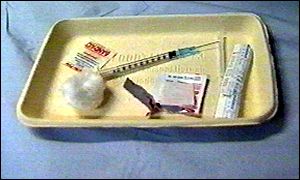 Vaccination is recommended for 'at-risk' children UK parents feel the government is not doing enough to help protect children from the dangers of pneumococcal disease, a survey suggests. Pneumococcal disease can cause of one of the most dangerous forms of meningitis.
The survey, of 500 parents, was commissioned by the RAPPID (Raising Awareness of Paediatric Pneumococcal Infection & Disease) campaign. The government already advises doctors to immunise certain "at-risk" children against pneumococcal disease. These include children with chronic heart, lung, liver or kidney disease, diabetes, dysfunction of the spleen and other causes of immunodeficiency, such as HIV. But it is still to make a decision on whether to offer routine vaccination to all infants and children between the ages of 2 months and 2 years. Fifty infants and children under five die each year from pneumococcal diseases and many more are left with permanent disabilities as a result of the infection. Backing The campaign is backed by Scottish Labour MP Sandra Osborne. She said: "I am concerned that the government wants to shy away from introducing this vaccine until the MMR dust has settled. "It is therefore helpful for Ministers to see the groundswell of support that exists for vaccines that prevent killer diseases such as those caused by pneumococcal infection". Pneumococcal meningitis is the UK's second most common form of bacterial meningitis - and one of the most deadly. Often referred to as the 'Invisible Meningitis', it can be extremely difficult to diagnose. In particular, it seldom shares the 'tell-tale' rash associated with other forms of meningitis, such as meningitis B or C. False all-clear Research by a team from Amsterdam University suggests that even people who appear to have come through an attack of bacterial meningitis unscathed may be at risk of long-term mental health problems. They carried out extensive examinations on 26 patients who had developed pneumococcal meningitis, and 25 who had developed the meningococcal form of the disease. All had been assessed as making a good recovery, with only minor neurological problems such as slight hearing loss. The further tests revealed that seven of the pneumococcal meningitis patients had disorders that slowed their mental function and potentially damaged their quality of life. | | See also:  25 Nov 01 | Health 18 Sep 01 | Health 10 Mar 00 | Health Internet links: The BBC is not responsible for the content of external internet sites Top Health stories now: Links to more Health stories are at the foot of the page. | ||||||||||||||||||||||||||||||||||||||||||||||||||||||||||||||||||||||||||||||||||||||||||||||||||||||||||||||||||||||||||||||||||||||||
| |
|  E-mail this story to a friend E-mail this story to a friend |
| |
| Links to more Health stories |
| | | ||
 | ||||
 | | Back to top
| ||
| ---------------------------------------------------------------------------------- To BBC Sport>> | To BBC Weather>> | To BBC World Service>> ---------------------------------------------------------------------------------- © MMIII | News Sources | Privacy |



