
|
 |
 | | | | | | ||||||||||||||||||||||||||||||||||||||||||||||||||||||||||||||||||||||||||||||||||||||||||||||||||||||||||||||||||||||||||||||||||||||||
| | | You are in: Health | ||||||||||||||||||||||||||||||||||||||||||||||||||||||||||||||||||||||||||||||||||||||||||||||||||||||||||||||||||||||||||||||||||||||||||
|
| | Wednesday, 31 July, 2002, 18:04 GMT 19:04 UK Ultrasound hope for brain diseases 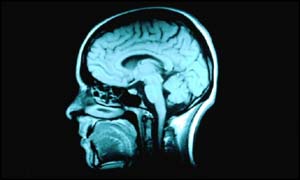 The technique is being developed in the US Doctors believe they have found a way of treating patients with serious brain diseases without the need for surgery. Researchers in the United States have suggested that sound waves could play a key role in helping to get drugs into the brain. They also believe their findings could be used to advance gene therapy and to help people with diseases ranging from cancer to Parkinson's.
This is because drugs cannot enter the brain via the bloodstream. A protective layer around the brain - the so-called blood-brain barrier - prevents drugs and other substances from passing into the brain. But Dr Ferenc Jolesz and colleagues at Brigham and Women's Hospital in Boston believe ultrasound could be used to overcome this problem. Shockwaves They have found a way to temporarily open the barrier to allow drugs and genes to be delivered into specific parts of the brain. They injected tiny protein bubbles into the bloodstream of three rabbits. These bubbles are widely used already to enable doctors to boost ultrasound images of blood vessels. But Dr Jolesz has discovered that bursting these bubbles can temporarily open the blood-brain barrier. He used an ultrasound beam to burst the bubbles in a specific part of the rabbit. This sent a shockwave up to the blood-brain barrier. This shockwave was found to be strong enough to allow large particles to get into the brain. According to New Scientist magazine, the doctors believe the technique could one day be used to help to deliver drugs and genes to the brain. These could include powerful drugs to kill off tumours or genes to restore damaged cells. However, they have warned that much more research is needed. Promising results Dr Christopher Newman of the University of Sheffield welcomed the research. He said the results were promising not least because ultrasound is safe. "I think it has a great deal of promise," he told the magazine. Professor Richard Mulligan of Harvard Medical School also hailed the findings and suggested they could be used to help patients with a variety of diseases. "Applications could include the treatment of cancer and different neurodegenerative diseases," he said. | | See also:  15 Jun 00 | Health 22 Nov 01 | Health 31 Mar 99 | Health Internet links: The BBC is not responsible for the content of external internet sites Top Health stories now: Links to more Health stories are at the foot of the page. | ||||||||||||||||||||||||||||||||||||||||||||||||||||||||||||||||||||||||||||||||||||||||||||||||||||||||||||||||||||||||||||||||||||||||
| |
|  E-mail this story to a friend E-mail this story to a friend |
| |
| Links to more Health stories |
| | | ||
 | ||||
 | | Back to top
| ||
| ---------------------------------------------------------------------------------- To BBC Sport>> | To BBC Weather>> | To BBC World Service>> ---------------------------------------------------------------------------------- © MMIII | News Sources | Privacy |





