
|
 |
 | | | | | | ||||||||||||||||||||||||||||||||||||||||||||||||||||||||||||||||||||||||||||||||||||||||||||||||||||||||||||||||||||||||||||||||||||||||
| | | You are in: Health | ||||||||||||||||||||||||||||||||||||||||||||||||||||||||||||||||||||||||||||||||||||||||||||||||||||||||||||||||||||||||||||||||||||||||||
|
| | Friday, 19 July, 2002, 03:40 GMT 04:40 UK Care home crisis deepens 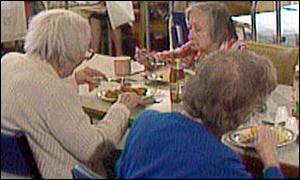 Care homes are in increasingly short supply More than 13,000 residential care places for elderly people were lost in the UK last year, according to a report. The figures add to growing concern about serious underfunding in the care home sector. The study, by market analysts Laing Buisson found that during 2001:
The study also found that demand for care services delinced at a similar rate. However, this could be due to local authorities trying to keep their placements to a minimum and to a drop in the number of residents with preserved rights to income support. Between November 2000 and November 2001, the number of care home residents funded by either local authorities or income support dropped by 8,000. The report found that 827 private and voluntary care homes, amounting to 16,600 places, closed during 2001. This is nearly the same as in each of the previous two years. New homes
Many care homes say that local authority fees are too low to justify investing in increased capacity for state-funded clients. Report author William Laing said: "The new figures again raise the spectre of a collapse in care home capacity, with adverse knock-on effects on NHS bed blocking and consumer choice if the trend continues." Sheila Scott, chief executive officer of the National Care Homes Association, told BBC Radio 4's Today programme: "In parts of the country we already have a crisis - in the south particularly - and the crisis is likely to spread throughout England, because year on year we are losing so many care beds. "Seventy per cent of people are paid for by the government and the government certainly isn't giving enough money to local authorities. "We would say it would cost about �350 per week in the average care home, but local government generally pays less than �300." Political reaction Paul Burstow, Liberal Democrat spokesman for older people, said the figures represented a "meltdown". He said: "Too many closures, with too few registrations is forcing vulnerable older people to live in care homes miles away from their friends and family. "The shortage of good quality care homes has a knock-on effect on the NHS with increased delayed discharges, more emergency re-admissions and longer trolley waits in A&E. "Ministers must stop claiming that there is no meltdown in the care home market." Shadow Health Secretary Dr Liam Fox said the report findings showed the care homes sector was in deep crisis. "It is a crisis which has occurred entirely during Labour's term of office and for which they alone are responsible." He said the problem was causing chaos in other parts of the NHS, most obviously in hospital bedblocking. "The government's own NHS plan is being fatally undermined by their own incompetence." Government response A Department of Health spokeswoman said the report showed the government's drive to deliver care in people's own homes and to allow older people to remain independent for longer had been a success. She said it clearly stated that decline in demand for care home places mirrored the decline in the number of care home beds. "We know that most people want to be cared for in their own home and more and more people are now receiving the right care, in the right place at the right time," she said. "The figures also confirm that the sector is not at crisis point. "The number of care homes closing is not increasing each year and the number of closures has been broadly constant in each of the last three years." | | See also:  17 Jul 02 | Health 18 Jul 02 | Health 19 Jun 02 | Health 08 Jul 02 | Politics 02 Jul 02 | England 01 Sep 01 | Health Internet links: The BBC is not responsible for the content of external internet sites Top Health stories now: Links to more Health stories are at the foot of the page. | ||||||||||||||||||||||||||||||||||||||||||||||||||||||||||||||||||||||||||||||||||||||||||||||||||||||||||||||||||||||||||||||||||||||||
| |
|  E-mail this story to a friend E-mail this story to a friend |
| |
| Links to more Health stories |
| | | ||
 | ||||
 | | Back to top
| ||
| ---------------------------------------------------------------------------------- To BBC Sport>> | To BBC Weather>> | To BBC World Service>> ---------------------------------------------------------------------------------- © MMIII | News Sources | Privacy |





