
|
 |
 | | | | | | ||||||||||||||||||||||||||||||||||||||||||||||||||||||||||||||||||||||||||||||||||||||||||||||||||||||||||||||||||||||||||||||||||||||||
| | | You are in: Health | ||||||||||||||||||||||||||||||||||||||||||||||||||||||||||||||||||||||||||||||||||||||||||||||||||||||||||||||||||||||||||||||||||||||||||
|
| | Tuesday, 16 July, 2002, 08:25 GMT 09:25 UK Bone marrow pioneer's 'suicide' 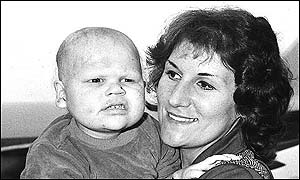 Mrs Nolan's work may have saved thousands of lives Charity worker Shirley Nolan is believed to have committed suicide. Mrs Nolan, who developed the world's first bone marrow donor register, died in Australia aged 60 on Sunday. But it was revealed on Monday that police believe Mrs Nolan took her own life with a drugs overdose after a 20-year battle with Parkinson's disease. A spokeswoman for Adelaide Police said Mrs Nolan's doctor called them to her home address where her body was found.
"We believe she took an overdose. There are no suspicious circumstances," she added. A report had been passed to the local coroner. The charity worker set up the Anthony Nolan Trust in London for her son, who died from a rare deficiency condition in 1979 having not found a suitable donor. Mrs Nolan, who received an OBE, was diagnosed with Parkinson's disease in 1981, two years after her son's death. Immune Dozens of countries around the world copied her example after she set up the first national bone marrow donor register. Anthony Nolan was eight when he died from Wiscott-Aldrich syndrome, which is a rare deficiency of the immune system. He had no brothers or sisters and his mother appealed for possible donors. To help in the search, she set up the trust in 1974, then called the Anthony Nolan Bone Marrow Trust. It was based at St Mary Abbot's Hospital in Kensington, south-west London, where it tried to match tissues donated by the public. 'Reward' By the time of her son's death five years later, the Trust had collected 30,000 possible donors. The UK list now boasts over 320,000 names and there are an estimated seven million possible donors on 50 similar registers worldwide. Anthony Morland, the chief executive of the Anthony Nolan Trust, said: "Shirley was an inspiration to all who are working in the field of bone marrow registers and she will be sorely missed." Mrs Nolan, who lived in Adelaide, Australia, was awarded the OBE in 1999, which she accepted on behalf of her son. She said then: "My greatest reward has always been knowing that my little boy did not die in vain." | | See also:  10 Dec 01 | Health 11 Dec 01 | Health 23 Nov 01 | Health 09 Sep 01 | Health 10 Aug 01 | Health Internet links: The BBC is not responsible for the content of external internet sites Top Health stories now: Links to more Health stories are at the foot of the page. | ||||||||||||||||||||||||||||||||||||||||||||||||||||||||||||||||||||||||||||||||||||||||||||||||||||||||||||||||||||||||||||||||||||||||
| |
|  E-mail this story to a friend E-mail this story to a friend |
| |
| Links to more Health stories |
| | | ||
 | ||||
 | | Back to top
| ||
| ---------------------------------------------------------------------------------- To BBC Sport>> | To BBC Weather>> | To BBC World Service>> ---------------------------------------------------------------------------------- © MMIII | News Sources | Privacy |





