
|
 |
 | | | | | | ||||||||||||||||||||||||||||||||||||||||||||||||||||||||||||||||||||||||||||||||||||||||||||||||||||||||||||||||||||||||||||||||||||||||
| | | You are in: Health | ||||||||||||||||||||||||||||||||||||||||||||||||||||||||||||||||||||||||||||||||||||||||||||||||||||||||||||||||||||||||||||||||||||||||||
|
| | Tuesday, 16 July, 2002, 04:32 GMT 05:32 UK Computer caller nags couch potatoes 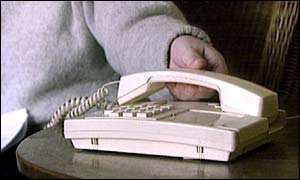 The phone calls proved effective Overweight patients are receiving automated phone calls encouraging them to eat less and do more exercise. And researchers report that the scheme is having a positive effect. The research, conducted by the Center for the Advancement of Health in Washington DC, US, involved almost 300 people with sedentary lifestyles and unhealthy diets. Doctors want all of these people to do a little exercise - perhaps half an hour of walking a day - and eat more healthily.
This computer-controlled system quizzes the patients about their habits, and they can reply by pressing a number on their phone. At the end, the computer, having assessed their motivation, or lack of it, offered them a task or goal. Success rate Despite the normal human aversion to talking to computers rather than real people, in this case the programme seems to have been popular. After three months, more than a quarter of the participants had achieved the recommended levels of exercise - compared with fewer than one in five of a group given no contact with the computer. The experiment relied on the patients choosing to ring in when they felt like it. Now it has been upgraded to make the computer ring the patient at set times to chase up their compliance with their exercise or diet scheme. Lead researcher Bernardine Pinto said: "Like telephone counselling offered by human counsellors, we expected that the system would overcome problems with scheduling and attending face-to-face meetings. "Unlike human counsellors, the system would be accessible at any time and less likely to be perceived as judgemental." The patient's doctors received regular monthly reports from the computer, detailing their progress. Hard work Professor Sarah Hampton, an expert in health psychology from the University of Surrey at Guildford, UK, told BBC News Online that the machine offered valuable support to the patients. She said: "People do need ongoing support because it's terribly hard to keep to an exercise regime. "The nearest thing to it in this country is the smoking quitline. "It might work better because people would rather share their deepest thoughts with a computer than a real person." | | See also:  11 Apr 99 | Health 25 May 00 | UK 23 Oct 01 | Health 23 Apr 99 | Health Internet links: The BBC is not responsible for the content of external internet sites Top Health stories now: Links to more Health stories are at the foot of the page. | ||||||||||||||||||||||||||||||||||||||||||||||||||||||||||||||||||||||||||||||||||||||||||||||||||||||||||||||||||||||||||||||||||||||||
| |
|  E-mail this story to a friend E-mail this story to a friend |
| |
| Links to more Health stories |
| | | ||
 | ||||
 | | Back to top
| ||
| ---------------------------------------------------------------------------------- To BBC Sport>> | To BBC Weather>> | To BBC World Service>> ---------------------------------------------------------------------------------- © MMIII | News Sources | Privacy |





