|
 |
 | | | | | | ||||||||||||||||||||||||||||||||||||||||||||||||||||||||||||||||||||||||||||||||||||||||||||||||||||||||||||||||||||||||||||||||||||||||||
| | | You are in: Health | ||||||||||||||||||||||||||||||||||||||||||||||||||||||||||||||||||||||||||||||||||||||||||||||||||||||||||||||||||||||||||||||||||||||||||||
|
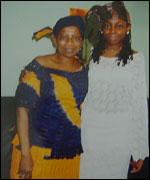
| | Sunday, 30 June, 2002, 00:14 GMT 01:14 UK Sickle cell: A mother's nightmare Deborah Shasanya was first diagnosed at three months People are risking their lives and those of their children by failing to get screened for sickle cell through prejudice or ignorance, warn experts. The Sickle Cell Society says the disease does not only affect African and Caribbean families, but can be prevalent in Indian, and Caucasian people too. With the group now calling for a national screening programme, BBC News Online heard one mother's story: Grace Shasanya didn't find out that she and her partner were sickle cell carriers until after the birth of their fourth child. It was not until her daughter Deborah was three-months-old that doctors first suspected she had the condition and started to become ill.
Like many other sickle cell suffers, or sicklers as they are also known, 18-year-old Deborah, form Hackney, North London, has periods of good and bad health. At the moment she is well and has just completed her A Levels and is hoping to take up a fashion and design course.
But her mother explained that only a few months ago she had to be hospitalised following a severe attack. "She gets pains in her joints and has a temperature. "It starts in her chest and when she says that is starting to hurt we know that she is having problems." Sickle cell anaemia is an inherited blood disorder, which affects an estimated 17,500 people in the UK, mainly those of Afro-Caribbean origin, and some people from the Mediterranean region, Arabia and Asia. But it can more rarely also affect blue-eyed blond haired Caucasians. Symptoms The condition occurs when red blood cells become sickle-shaped, preventing them from passing through very small blood vessels. This leads to blockages, depriving parts of the body of oxygen and causing pain or what is often referred to as a crisis. In the long term, it can damage organs and lead to death. There is no cure for the disease but daily medication and regular hospital check-ups keep the condition manageable.
But Mrs Shasanya says it is important that mothers like herself get the initial test to see if they are carriers. "I did not know I had it before Debbie and I have come across so many mums who have three out of four children who are sicklers." But she said that many others are not coming forward for help because they are worried about the stigma it will bring their family. "Some of them are suffering in silence." And she said the ignorance and prejudice surrounding the condition make it harder for people to publicly admit they are sufferers. "My Debbie went through a lot of embarrassment at primary and secondary school," she added. Screening Janet Campbell, director of the Sickle Cell Society, agreed that is vital that more people get screened to see whether they carry the faulty genes. She said that one in four West Africans will have sickle cell and one in 10 Afro Caribbeans, but it will also affect 1 in 20 Asian people as well as a very small number of Caucasians. "There are 17,500 in the UK with Sickle Cell, but you need to double that figure to get the number of carriers. "You can be a silent carrier so getting tested is important. We are encouraging people to be tested so they can look after their health of their own bodies. "The government is looking at whether there should be a national screening programme by 2004 or whether it should be selective." | | See also:  23 Jan 02 | Health 14 Dec 01 | Health 06 Jan 99 | Health 23 Aug 01 | Health 07 Nov 01 | Health Internet links: The BBC is not responsible for the content of external internet sites Top Health stories now: Links to more Health stories are at the foot of the page. | ||||||||||||||||||||||||||||||||||||||||||||||||||||||||||||||||||||||||||||||||||||||||||||||||||||||||||||||||||||||||||||||||||||||||||
| |
|  E-mail this story to a friend E-mail this story to a friend |
| |
| Links to more Health stories |
| | | ||
 | ||||
 | | Back to top
| ||
| ---------------------------------------------------------------------------------- To BBC Sport>> | To BBC Weather>> | To BBC World Service>> ---------------------------------------------------------------------------------- © MMIII | News Sources | Privacy |