|
 |
 | | | | | | |||||||||||||||||||||||||||||||||||||||||||||||||||||||||||||||||||||||||||||||||||||||||||||||||||||||||||||||||||||||||||||||||||||||||
| | | You are in: Health | |||||||||||||||||||||||||||||||||||||||||||||||||||||||||||||||||||||||||||||||||||||||||||||||||||||||||||||||||||||||||||||||||||||||||||
|
| | Sunday, 2 June, 2002, 00:36 GMT 01:36 UK India's cheap drug scheme hailed Patients now have access to cheap drugs Doctors in India have been praised for a scheme which has succeeded in ensuring poor people have easy access to cheap and effective medication. The World Health Organisation has hailed the Delhi Essential Drugs Programme as "very successful" and an example to others in the developing world. The programme was established in 1996 to try to tackle constant shortages of essential medicines in state hospitals.
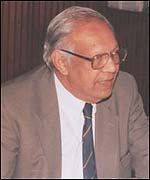
An estimated 35% of people living in Delhi use state hospitals. However, among the poor that figure is 70%. Six years on, the scheme has been extended to other states in India and is being considered by other countries. Under the scheme, doctors in Delhi are advised only to prescribe medicines included on an essential drugs list. These include non-branded drugs that have been around for a number of years and can be produced and purchased cheaply. Bulk buying The society buys these drugs on behalf of state hospital in bulk ensuring there are no shortages and also saving money. Professor Ranjit Roy Chaudhury, president of the Delhi Society for Promotion of Rational Use of Drugs which runs the scheme, said they secured substantial savings. "We buy in bulk. Therefore, we get quotations at 30% below the prices given to other organisations, including government organisations, for buying the same drugs," he said. "We don't go for the latest drugs which are under patent. We go for generics. We go for drugs that are well tried, that have evidence-based information."
Prof Chaudhury said the scheme did not compromise the medical care given to patients. "We don't decrease the quality of treatment but we decrease the unnecessary use of hundreds and hundreds of brand name drugs," he said. Training doctors Speaking on the BBC World Service programme Health Matters, Prof Chaudhury said the scheme also aimed to educate doctors. They are shown examples of poor prescribing and are encouraged to draw up plans to improve their hospital's record. Similarly, they are also encouraged to adhere to treatment guidelines for a number of key conditions. Prof Chaudhury said a recent survey showed the scheme was having a positive effect. "When we started the programme in 1995, about 30% of the prescriptions would be given to the patients. "Our recent survey, concluded two months ago, shows that between 90% and 92% of the medicines prescribed are given to the patients. So access to drugs has remarkably improved." He said other areas were now trying to emulate that success. "The Delhi programme has now gone to 14 states in India," he said. "I believe that several countries are implementing this model - maybe not the whole comprehensive model but definitely parts of it." In a briefing paper published earlier this year, the WHO said the scheme had achieved a 40% reduction in drug prices and significantly improved the availability of essential drugs. This story is featured in the radio programme Health Matters on the BBC World Service. Click here for listening times | | See also:  09 Nov 01 | Health 08 Oct 01 | Health 07 Feb 01 | Health Internet links: The BBC is not responsible for the content of external internet sites Top Health stories now: Links to more Health stories are at the foot of the page. | |||||||||||||||||||||||||||||||||||||||||||||||||||||||||||||||||||||||||||||||||||||||||||||||||||||||||||||||||||||||||||||||||||||||||
| |
|  E-mail this story to a friend E-mail this story to a friend |
| |
| Links to more Health stories |
| | | ||
 | ||||
 | | Back to top
| ||
| ---------------------------------------------------------------------------------- To BBC Sport>> | To BBC Weather>> | To BBC World Service>> ---------------------------------------------------------------------------------- © MMIII | News Sources | Privacy |